When Player Listings Rewrite the Calendar in Shared Sports Spaces
Avery Fischer · Jul 19, 2026
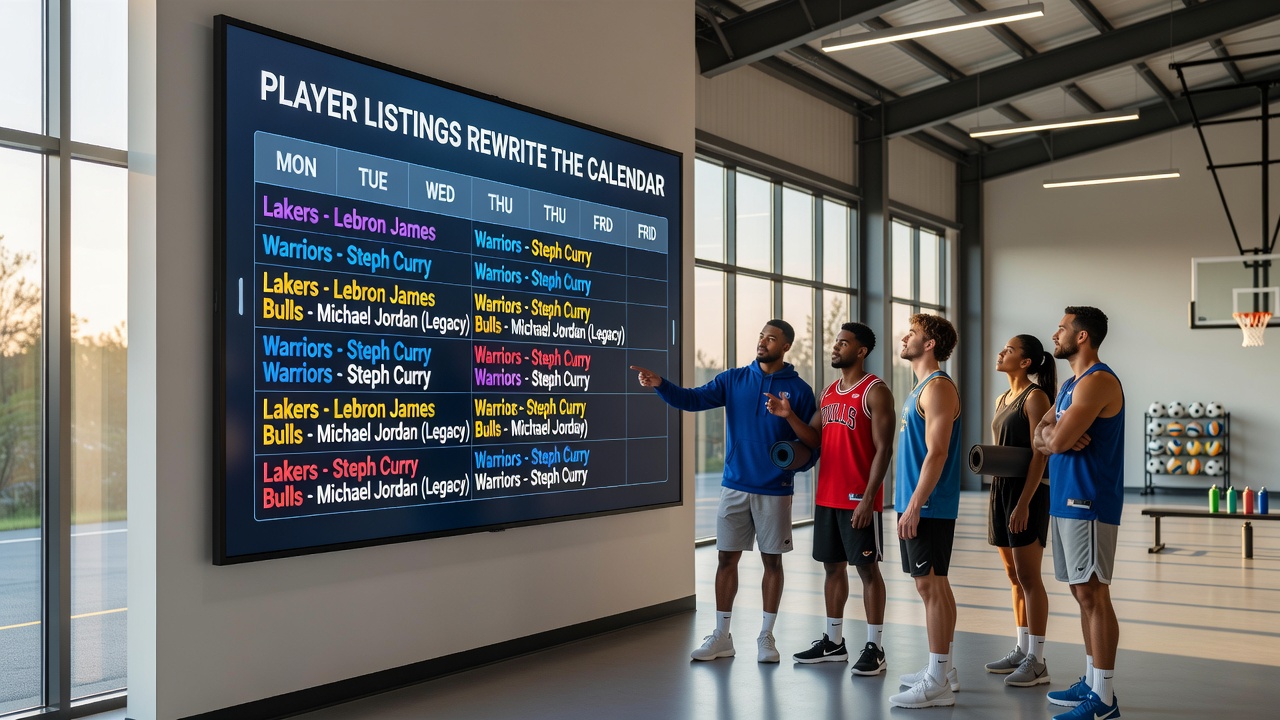
When Player Listings Rewrite the Calendar in Shared Sports Spaces
Player listings function as living documents in facilities where multiple clubs and groups share courts, fields, and pools, and updates to those lists trigger cascading adjustments to time slots and availability windows. When a participant withdraws or joins mid-cycle the entire allocation grid shifts because shared venues operate under tight capacity constraints managed through centralized booking systems.
Data Flows That Drive Schedule Adjustments
Facilities track entries through digital platforms that feed directly into reservation software, so a single change in headcount alters required space per group while organizers rebalance sessions across overlapping programs. Research from the Australian Sports Commission shows that roster modifications occur at rates exceeding 15 percent per week during peak registration periods, and each alteration prompts venue managers to recalibrate lighting, staffing, and equipment availability.
Those who coordinate multi-use centers note that listings arrive from separate leagues on staggered deadlines, creating overlap points where one club's addition displaces another's preferred slot. Data streams from participant management tools update in real time, allowing administrators to issue revised calendars within hours rather than days.
July 2026 Scheduling Pressures
Preparations for July 2026 summer programs already reflect this pattern as community centers compile initial listings for youth clinics and adult drop-in sessions that share indoor tracks and outdoor pitches. When early sign-ups exceed projected numbers, coordinators consolidate sessions or extend evening hours to accommodate everyone without expanding physical infrastructure.
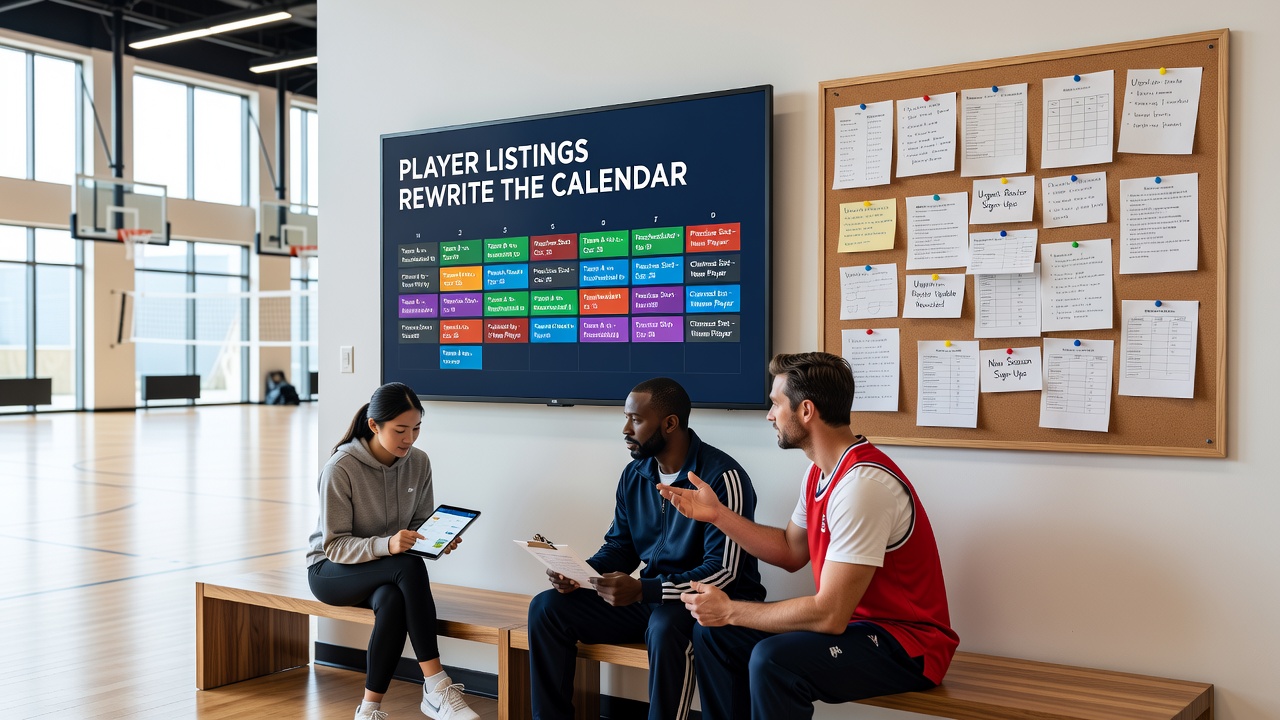
Observers at venues in several regions report that listings finalized after initial bookings force repeated redistribution of prime-time blocks, and this redistribution often favors groups whose updated numbers justify larger allocations under space-per-participant guidelines.
Coordination Mechanisms Across Networks
Shared spaces rely on contact databases that link player details to facility rules, enabling automated alerts when listings change and require new time blocks. A study conducted at the University of Waterloo examined how these networks operate in Canadian municipal centers and found that automated notifications reduced manual rescheduling time by nearly half while increasing the frequency of calendar revisions.
Venues in Europe have adopted similar protocols under guidelines from the European Olympic Committees, where participant counts influence not only court assignments but also safety staffing ratios. Listings that swell beyond thresholds trigger additional supervisor assignments and, in some cases, split groups across parallel facilities to maintain compliance.
Examples From Multi-League Environments
Take one municipal complex that hosts both recreational volleyball and youth basketball on the same weekday evenings, where a late surge in basketball registrations prompted managers to shift volleyball start times by thirty minutes and open an auxiliary gym previously reserved for maintenance. The adjustment rippled into weekend tournaments because the same coaches and referees became unavailable at the original slots.
Another case involves a regional aquatic center where synchronized swimming and water polo clubs share lanes, and roster updates from one discipline directly alter warm-up windows for the other. Coordinators maintain a master digital board that reflects every listing revision, and participants receive push notifications when their assigned periods move.
Resource Allocation Outcomes
Updated listings also affect equipment distribution and lighting schedules because shared spaces allocate these resources based on projected occupancy rather than fixed reservations. When numbers drop, facilities sometimes reclaim underused blocks for maintenance or other programs, whereas increases lead to extended hours that raise utility costs passed along through usage fees.
According to figures from the National Recreation and Park Association, centers that integrate live listing feeds into their calendars experience 22 percent more schedule iterations per season compared with those relying on static sign-up sheets, yet they also report higher overall utilization rates because adjustments keep space matched to actual demand.
Conclusion
Player listings continue to function as primary inputs that reshape operational calendars in shared athletic environments, and the mechanisms for processing those changes have grown more responsive through digital integration. Facilities that synchronize listing updates with booking systems maintain tighter alignment between participant numbers and available resources, while those operating without such links face greater friction during peak registration windows. The pattern persists across regions because shared spaces operate under capacity limits that make every roster modification a trigger for calendar revision.