The Web Behind the Whistle: How Player Data Streams Shape Venue Access and League Event Flow
Hugo Patterson · May 15, 2026
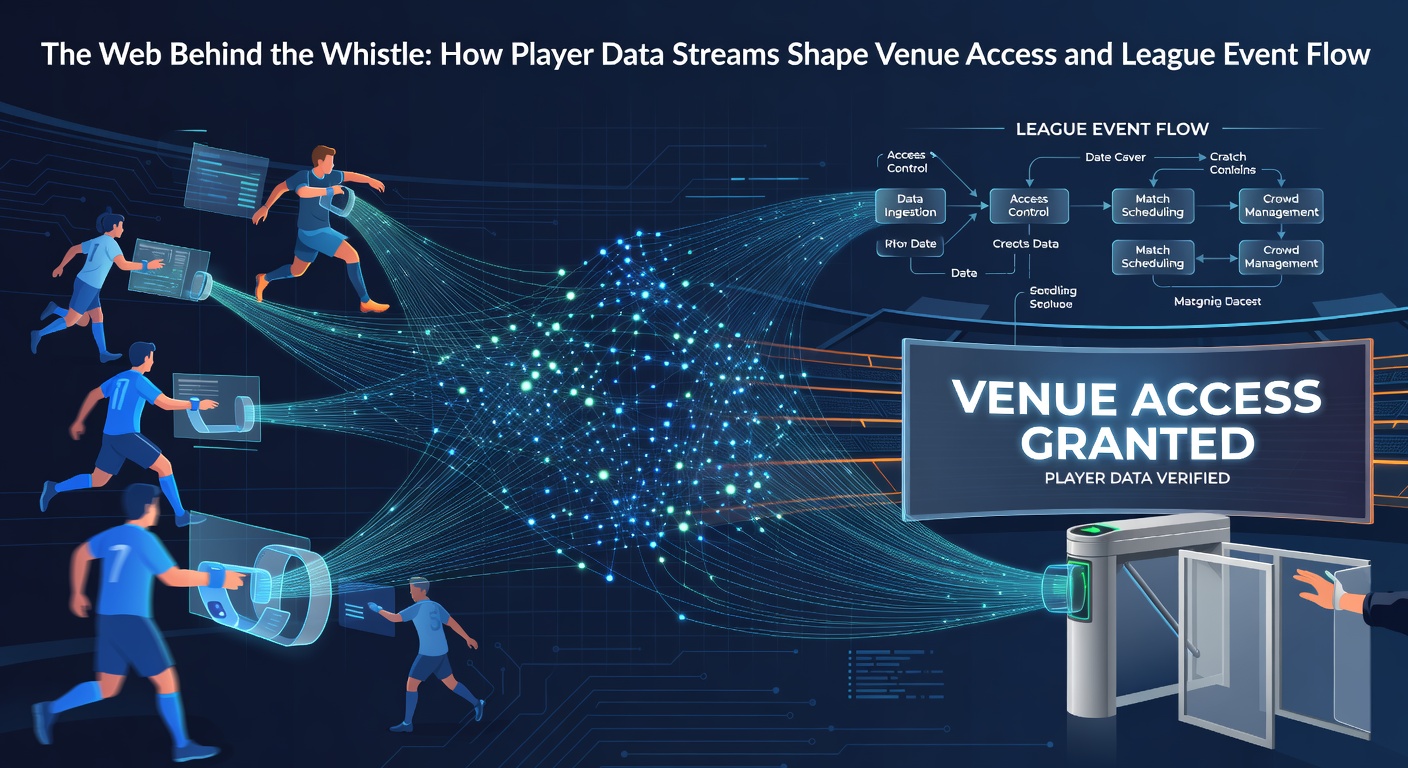
The Web Behind the Whistle: How Player Data Streams Shape Venue Access and League Event Flow
Modern amateur and pay-to-play leagues rely on integrated data platforms that collect player registration details, performance metrics, payment histories, and attendance records to manage everything from entry permissions at facilities to the sequencing of matches across multiple venues. These systems create direct pathways where verified information determines who gains physical access and how event timelines adjust based on roster availability. Observers note that such connections have grown tighter since digital tracking tools expanded in the mid-2020s, allowing organizers to synchronize operations without manual intervention at each step.
Data Collection Points That Feed Venue Systems
Registration portals serve as the starting nodes, capturing biographical data, skill levels, medical clearances, and subscription status before any scheduling occurs. Once entered, this information flows into centralized databases that venue operators query in real time. For instance, when a facility requires proof of league membership, the same stream that confirms payment also unlocks electronic gates or check-in kiosks. Research from industry platforms indicates that leagues using unified APIs reduce entry delays by linking these elements directly, whereas fragmented setups create bottlenecks during peak arrival times. In May 2026 several regional tournaments plan to test enhanced biometric verification tied to these profiles, further tightening the loop between data accuracy and physical admittance.
Performance logs and availability flags add another layer. Teams that submit updated rosters receive priority slotting, while incomplete profiles trigger automatic holds until gaps close. Those who've studied league operations know this setup prevents overbooking at shared facilities and keeps events moving even when last-minute substitutions arise. What's interesting here is how weather adjustments or facility maintenance notices integrate with the same feeds, prompting rescheduling that respects both player commitments and venue availability calendars.
How Streams Dictate Access Permissions
Venue managers grant entry only after cross-referencing live data against security protocols. A player whose dues remain unpaid or whose certification has expired sees their badge deactivated until the record updates. This mechanism extends beyond individuals to entire teams, since group access often hinges on collective compliance metrics. According to Sport Australia reports, facilities adopting these controls report fewer incidents of unauthorized participation and smoother crowd management during multi-team weekends.
External factors such as local health guidelines or capacity limits also pull from the same streams. When participant numbers approach thresholds, the system flags restrictions and reroutes overflow to alternate sites without halting overall flow. Data shows that this predictive capability has proven especially useful in densely scheduled spring seasons, where overlapping events compete for limited space.
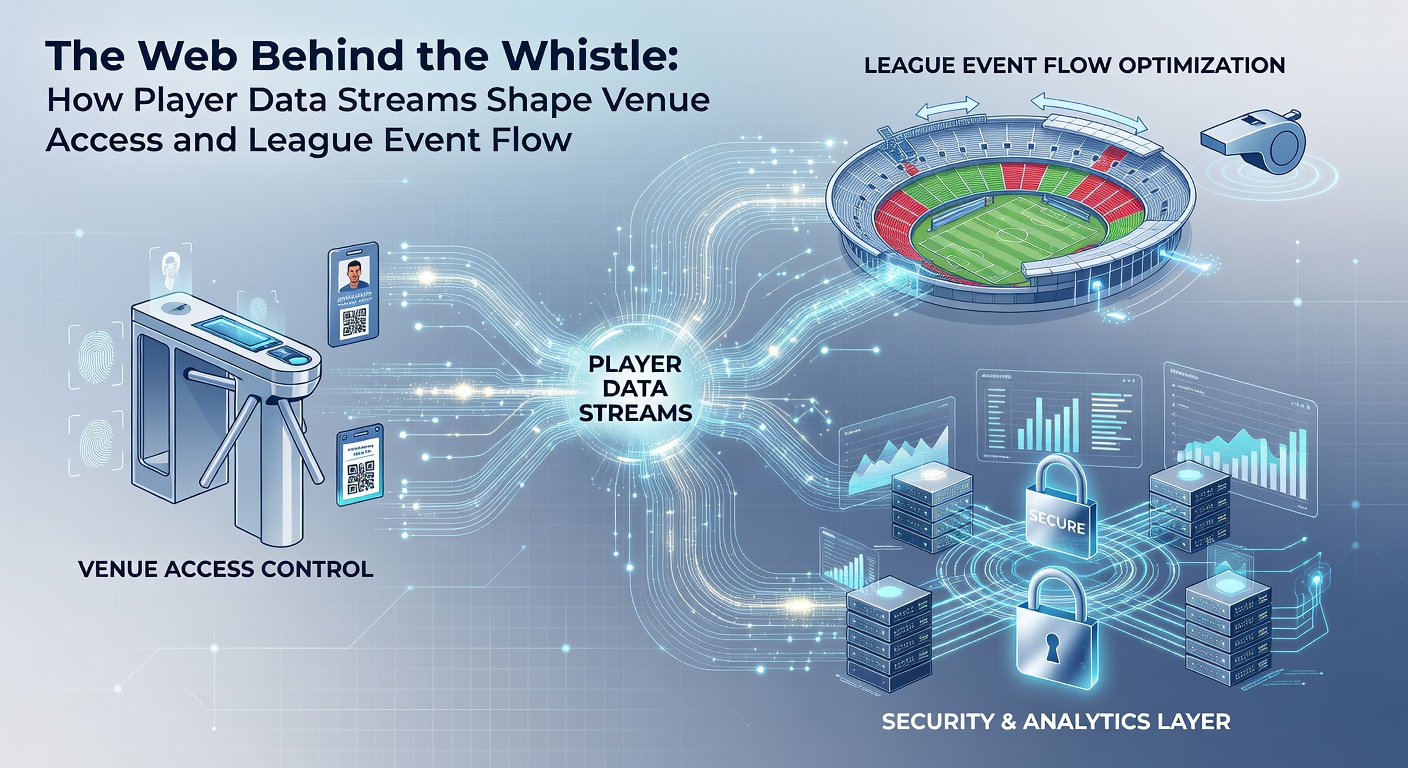
Event Flow Optimization Through Continuous Updates
Once events begin, live scoring and substitution data keep schedules fluid. Referees and coordinators receive alerts when players fall out of eligibility mid-tournament, allowing immediate adjustments that maintain fairness without pausing proceedings. Observers note that these adjustments often occur through mobile dashboards rather than paper forms, cutting administrative overhead during high-stakes rounds. NCAA studies on sports operations highlight similar patterns in collegiate feeder leagues, where integrated streams shorten turnaround times between games by nearly twenty percent compared with legacy methods.
Broader logistics benefit as well. Transportation coordinators and concession planners access anonymized aggregates to forecast attendance spikes, adjusting staffing before crowds arrive. In May 2026 several multi-venue showcases intend to demonstrate full automation of these handoffs, linking player check-ins directly to lighting controls, scoreboards, and even parking guidance systems. The result is a seamless progression from first whistle to final standings that feels responsive rather than rigid.
Security and compliance layers sit beneath the visible operations. Data protection rules require encryption and consent tracking at every transfer point, ensuring sensitive health or financial details remain shielded while still enabling functional access. Leagues that maintain transparent audit trails find it easier to secure repeated bookings at premium facilities, since venue owners trust the reliability of the underlying records.
Scaling Across Regions and Future Developments
Regional differences appear in how strictly data thresholds are enforced. Some jurisdictions tie venue licensing to minimum digital compliance standards, while others leave implementation to individual organizers. Yet the underlying principle remains consistent: accurate streams reduce friction and expand capacity without proportional increases in staff. One study revealed that platforms handling over ten thousand active profiles per season achieve higher utilization rates at shared complexes because predictive analytics anticipate conflicts days ahead.
Emerging tools add further dimensions. Wearable integrations feed fatigue and injury indicators into availability algorithms, helping coordinators avoid scheduling players for back-to-back intense matches. Although adoption varies, those implementations already underway demonstrate measurable drops in no-show rates and last-minute forfeits. The same data also supports post-event reviews that refine future calendars based on actual participation patterns rather than estimates.
Conclusion
Player data streams now function as the central nervous system for league operations, determining not only who enters venues but also how events unfold from opening day through championship matches. As platforms continue evolving ahead of May 2026 showcases, the connections between registration, access control, and scheduling grow more precise. Organizations that master these flows gain reliable calendars and satisfied participants, while facilities benefit from predictable usage and reduced administrative burdens. The infrastructure behind the whistle continues to expand, linking every participant action to the broader rhythm of competitive play.