The Invisible Threads Linking Player Details to Playing Fields in Everyday Sports Clubs
Felix Bennett · May 17, 2026

The Invisible Threads Linking Player Details to Playing Fields in Everyday Sports Clubs
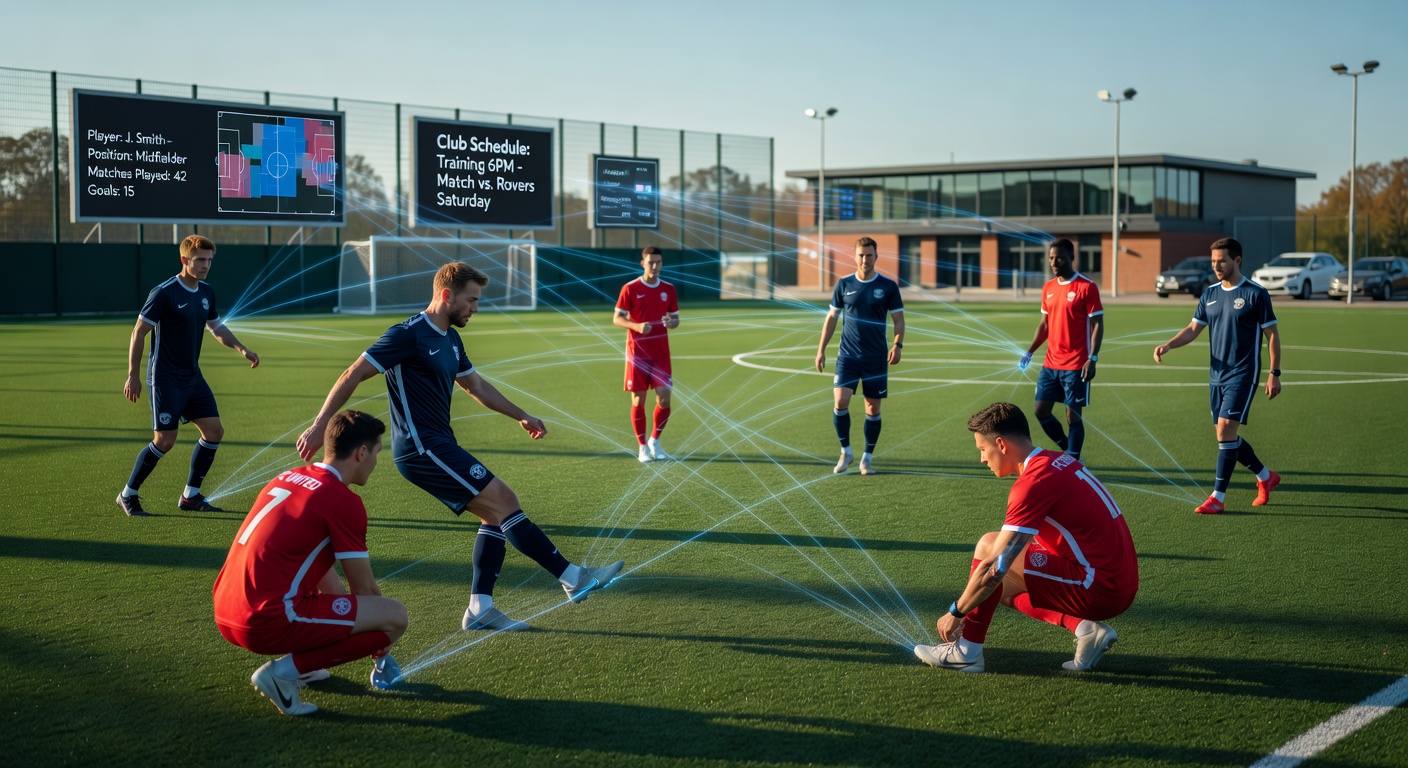
Community sports clubs operate through layers of information that connect individual player registrations directly to the availability and condition of physical playing surfaces, and these connections often run through centralized digital platforms that clubs maintain year after year. Player details such as age group, skill level, medical notes, and preferred playing times feed into scheduling algorithms that allocate specific fields during peak hours while leaving others for maintenance or youth sessions. Observers note that this linkage reduces conflicts over space yet requires constant updates because rosters change weekly and weather conditions alter field usability overnight. Registration processes capture basic identifiers along with contact preferences, and clubs route that information into shared calendars that field managers consult before opening gates each morning. Data shows that clubs using integrated systems report fewer last-minute cancellations because availability checks happen automatically once a player confirms attendance through a mobile app. In many regions these platforms also track participation hours against insurance requirements, which means a single database entry can influence both field access and liability coverage for the entire club.Data Capture at the Point of Entry
When new members complete forms at the start of a season, the collected fields include emergency contacts, past injury history, and availability windows, and these elements travel straight into the club's resource planning tools without manual re-entry. Researchers have documented that accurate initial capture cuts administrative time by nearly a third because field booking requests automatically cross-reference against existing commitments. Clubs in suburban areas often combine this data with local council maps that mark drainage issues or renovation schedules, so a player requesting an evening slot on a particular pitch receives an instant suggestion for an alternate surface if the preferred one sits on a maintenance list.
Field Allocation Logic and Player Constraints
Allocation engines weigh player numbers against pitch dimensions, lighting requirements, and neighboring bookings, and the result determines which groups receive priority during high-demand periods. Those who have studied club operations find that teams with higher percentages of players holding verified medical clearances gain earlier access to premium surfaces, while groups still completing paperwork remain on secondary fields until documentation clears. This system creates a quiet sorting mechanism that operates without public announcements yet shapes daily usage patterns across dozens of local venues.
Seasonal Adjustments and Real-Time Updates
By May 2026 many clubs had incorporated live weather feeds and soil moisture sensors into their booking interfaces, allowing automatic shifts when rain saturates one end of a complex. The same player profile that once only listed contact details now includes preferences for indoor alternatives, and the system routes notifications accordingly. Figures from municipal recreation departments reveal that adoption of these sensor-linked platforms rose sharply after 2024 because clubs sought to protect both player safety and long-term field quality. Observers point out that the change also lets coordinators balance usage across multiple surfaces so no single pitch absorbs excessive wear during a wet spring.
Coordination Across Multiple Venues
Everyday clubs rarely own every field they use, which means player data must travel between municipal booking portals and private facility calendars without losing accuracy. A single profile update at the club level can trigger availability changes on three separate sites, and this synchronization prevents double bookings that once forced teams to practice on parking lots. Industry reports from Sport Australia highlight how standardized data exchange protocols now allow smaller clubs to participate in regional booking networks that larger organizations once dominated. The result appears in smoother weekend logistics where coaches arrive at the correct pitch with the right number of players because the underlying records stayed consistent across systems.
Maintenance Priorities Tied to Usage Records
Playing fields require periodic aeration, reseeding, and line painting, and usage logs derived from player sign-ins help groundskeepers decide which areas need attention first. Clubs that maintain detailed attendance histories allocate repair budgets more precisely because they know exactly how many hours each surface endured during the previous month. This practice keeps facilities in rotation longer and reduces the frequency of full closures that disrupt entire seasons. Data from Canadian Sport for Life programs indicates that clubs tracking participation at the individual level extend average field lifespan by measurable percentages compared with those relying on rough estimates alone.
Conclusion
The connections between player details and playing fields in everyday sports clubs rest on continuous data movement rather than visible notices on bulletin boards, and these flows determine who practices where each week. As platforms add sensors and cross-venue links, the same registration that once served only administrative needs now shapes physical access and long-term facility health. Clubs that keep these threads accurate experience fewer scheduling clashes and steadier field conditions throughout the calendar year.