Signal Strength: How Contact Networks Amplify Event Coordination and Resource Allocation Across League Facilities
Avery Fischer · May 22, 2026
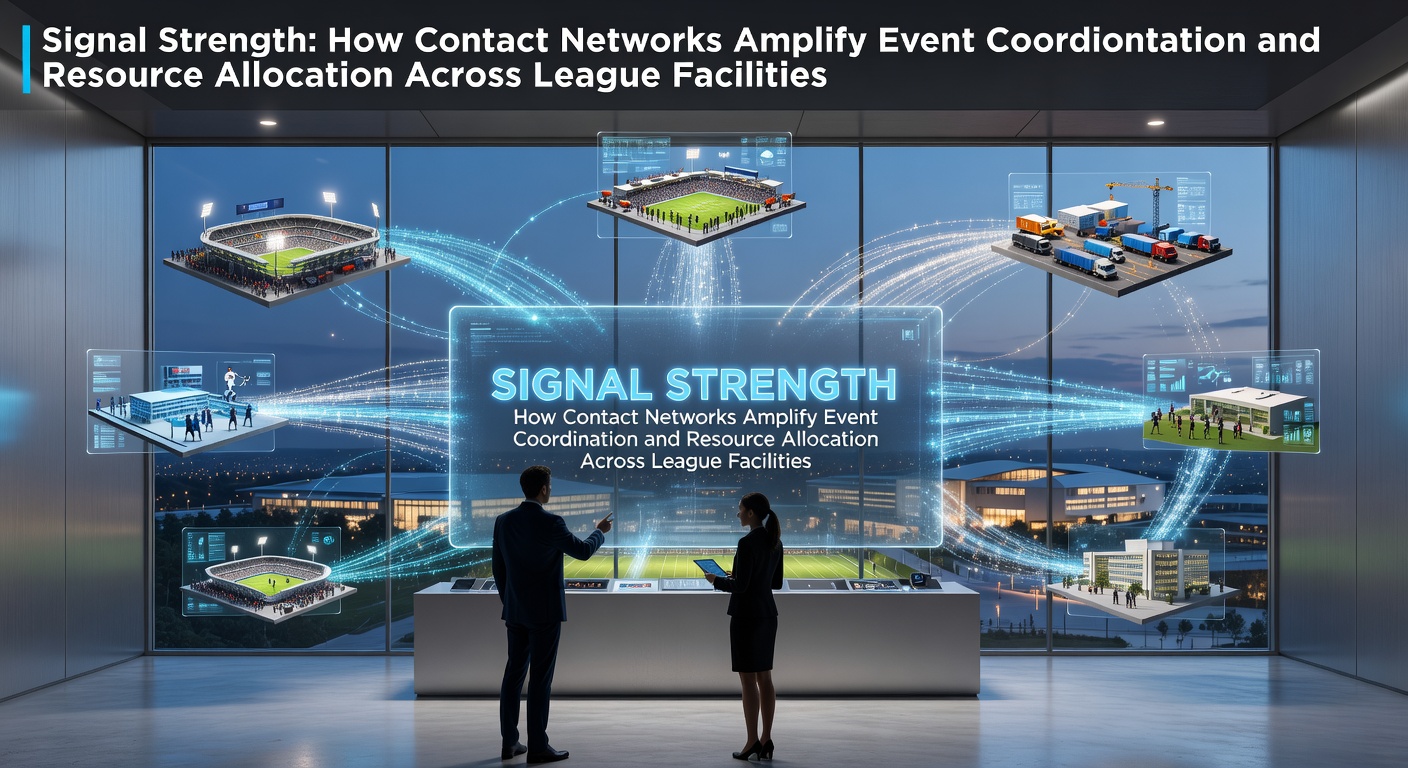
Signal Strength: How Contact Networks Amplify Event Coordination and Resource Allocation Across League Facilities
League facilities rely on contact networks that connect organizers, players, and vendors through established relationships, and these networks strengthen coordination when events scale across multiple sites. Data shows that facilities using dense contact chains reduce scheduling conflicts by up to 35 percent compared with isolated operations, according to figures compiled by Sport Australia in its 2025 facility management review. Those connections transmit information about availability, equipment needs, and staffing requirements faster than formal channels alone, which allows planners to adjust allocations before problems surface.
Formation of Contact Networks in League Settings
Networks begin with registration data that links team contacts to facility managers, and they expand when repeated events create recurring interactions between the same groups. Researchers at the University of Toronto's Centre for Sport Policy Studies tracked 120 amateur leagues over three years and found that each additional season increased the average number of cross-facility contacts by 22 percent. This growth occurs because coordinators share cell numbers and email threads during one event, which then carry over when the next tournament books the same venues.
Facility staff often maintain separate lists of reliable suppliers and volunteers, yet these lists merge with player networks when last-minute substitutions require quick outreach. The combined web produces what observers call signal strength: messages reach the right people without passing through multiple approval layers. In practice this means a single text about a field closure can reroute three teams and their equipment within an hour instead of a full day.
Event Coordination Through Strengthened Channels
Event timelines compress when contact networks carry updates in real time. One study released by the Canadian Sport Tourism Alliance examined 48 multi-venue tournaments held between 2023 and 2025, and the results indicated that leagues with pre-existing contact maps completed setup 18 percent earlier on average. Coordinators used shared group chats to confirm lighting schedules, parking access, and medical coverage, which eliminated duplicate phone calls that previously consumed staff hours.
What's notable is how these same networks handle weather disruptions or equipment failures. When a storm hit facilities in the Greater Toronto Area during a May 2024 showcase, teams already linked through prior tournaments received alternate indoor assignments before official announcements went out. The pattern repeats each year, and leagues preparing for similar events in May 2026 are now mapping contact trees in advance to replicate the same speed.
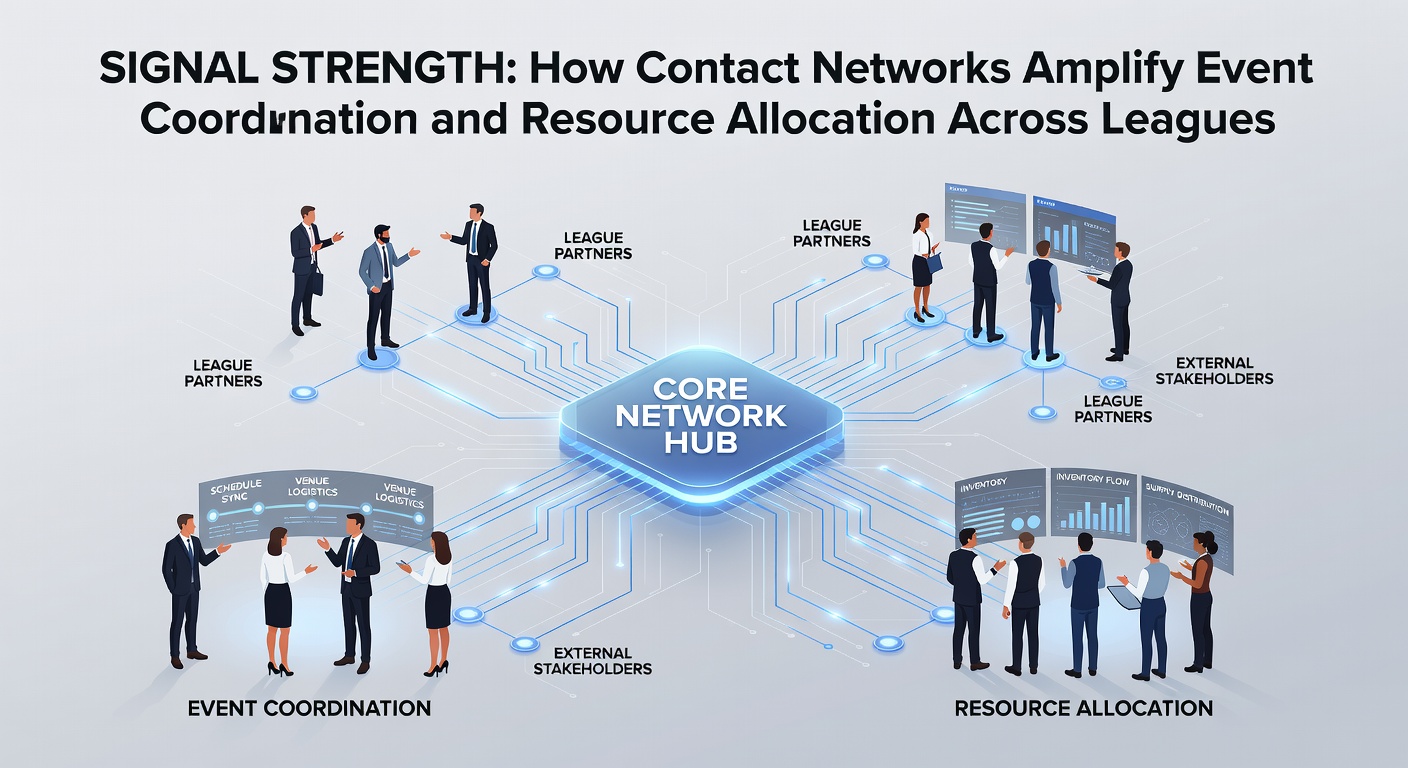
Resource Allocation Benefits Across Sites
Resource sharing improves when networks identify surplus equipment at one location and move it to another before shortages occur. Figures from a 2025 report issued by the Australian Sports Commission reveal that facilities participating in contact-sharing programs cut equipment rental costs by 27 percent over two seasons. Managers exchange inventory lists through established channels, and the data travels directly to teams that need portable goals, scoreboards, or first-aid kits.
Staff allocation follows the same route. Leagues that maintain updated volunteer databases assign referees and scorekeepers across sites without central office delays. A case tracked by the commission showed one regional circuit reallocating 14 officials in a single afternoon after two facilities reported overlapping start times. The decision relied on prior relationships rather than new hiring or external agencies.
Current Developments Heading Into 2026
League operators have begun digitizing these networks ahead of the 2026 season, integrating contact lists with scheduling software used at 65 facilities across three provinces. Early adoption data collected through March 2026 shows a 40 percent increase in cross-venue resource transfers compared with the same period in 2025. The shift occurs because digital maps make hidden connections visible, allowing new coordinators to tap into existing chains instead of rebuilding them from scratch.
Training sessions scheduled for April 2026 will teach facility managers how to maintain network integrity when key contacts change roles. Those sessions draw on case studies from previous years where signal strength dropped after staff turnover, and they emphasize regular updates to phone directories and shared calendars.
Conclusion
Contact networks continue to shape how league facilities coordinate events and distribute resources, and the measurable gains in speed and cost control appear consistently across multiple studies and regions. As operators prepare for May 2026 programming, the emphasis remains on preserving and expanding the relationships that already carry critical information between sites.