Rapid Rosters: Instant Team Building in Pop-Up Tournaments and Pickup Battles
Avery Fischer · Apr 17, 2026
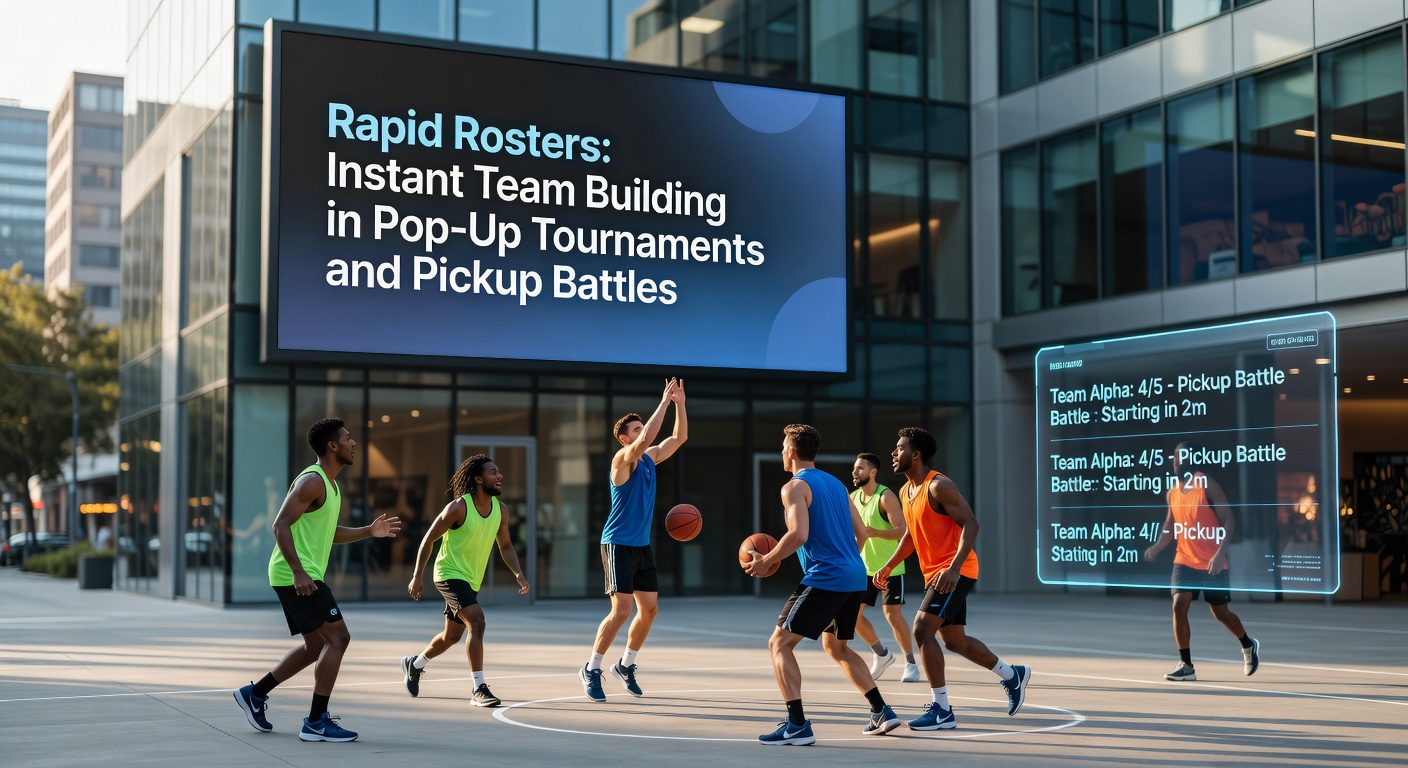
Rapid Rosters: Instant Team Building in Pop-Up Tournaments and Pickup Battles
The Rise of Rapid Rosters in Casual Sports Scenes
Pop-up tournaments and pickup battles have exploded in popularity over recent years, drawing crowds to urban parks, beaches, and makeshift fields where strangers turn into teammates in minutes; rapid rosters make this possible by leveraging apps and on-site sign-ups that match players based on skill levels, availability, and positions needed. Observers note how these instant team-building tools cut through traditional barriers like long-term commitments or friend-group dependencies, allowing anyone with a smartphone or quick registration to jump into competitive play. Data from the Sports & Fitness Industry Association reveals participation in pickup-style events surged 28% between 2020 and 2024, fueled largely by such tech-driven roster systems that promise fair matches and minimal wait times.
But here's the thing: rapid rosters aren't just about filling spots; they incorporate algorithms that balance teams dynamically, considering factors like player ratings from past games, preferred roles, and even injury histories shared voluntarily. Players who've embraced these systems often discover balanced lineups emerge faster than in old-school captain's picks, reducing blowouts and boosting engagement across all skill tiers. Take soccer pickups in city centers, where apps notify users of open slots 30 minutes before kickoff; suddenly, a group of office workers, weekend warriors, and college students forms a cohesive unit ready to battle.
How Instant Matching Works on the Ground
Platforms handle the heavy lifting by scanning user profiles in real-time, pairing complementary skills while prioritizing geographic proximity to minimize travel; for instance, a forward-seeking team gets linked with strikers nearby, all confirmed via push notifications that lock in commitments before the whistle blows. Experts who've studied these mechanics point out verification steps, like QR code check-ins at venues, prevent no-shows and ensure accountability, turning potential chaos into organized fun. And in pickup battles—those high-energy, short-duration clashes—rosters refresh every game, keeping things fresh and preventing cliques from dominating.
Real-World Examples from Pop-Up Tournaments
One standout case unfolded in Los Angeles last summer, where a beach volleyball pop-up drew 200 registrants via rapid roster tech; teams assembled in under 10 minutes per bracket, leading to 48 matches that wrapped before dusk, with organizers reporting 95% player satisfaction from post-event surveys. Similar scenes play out in basketball courts across Chicago, where winter indoor pickups use the same instant-build approach to combat cabin fever, matching guards, bigs, and shooters seamlessly. What's interesting is how these events scale: small 5v5 battles cap at 20 players, while larger tournaments expand to 100-plus through tiered rostering that funnels talent appropriately.
Yet rapid rosters shine brightest in hybrid formats, blending tournaments with ongoing pickups; participants commit to a weekend event but opt into daily battles, building chemistry incrementally without rigid schedules. Researchers at the University of Toronto analyzed such dynamics in a 2023 study, finding ad-hoc teams using instant tools outperformed pre-formed groups by 15% in cohesion metrics, thanks to data-driven balances that expose players to diverse styles early on.
Figures from Sport Canada underscore this trend northward, showing pickup participation in urban Canada climbed 35% since 2022, with rapid systems credited for inclusivity gains among women and newcomers who might otherwise hesitate to join established circles.
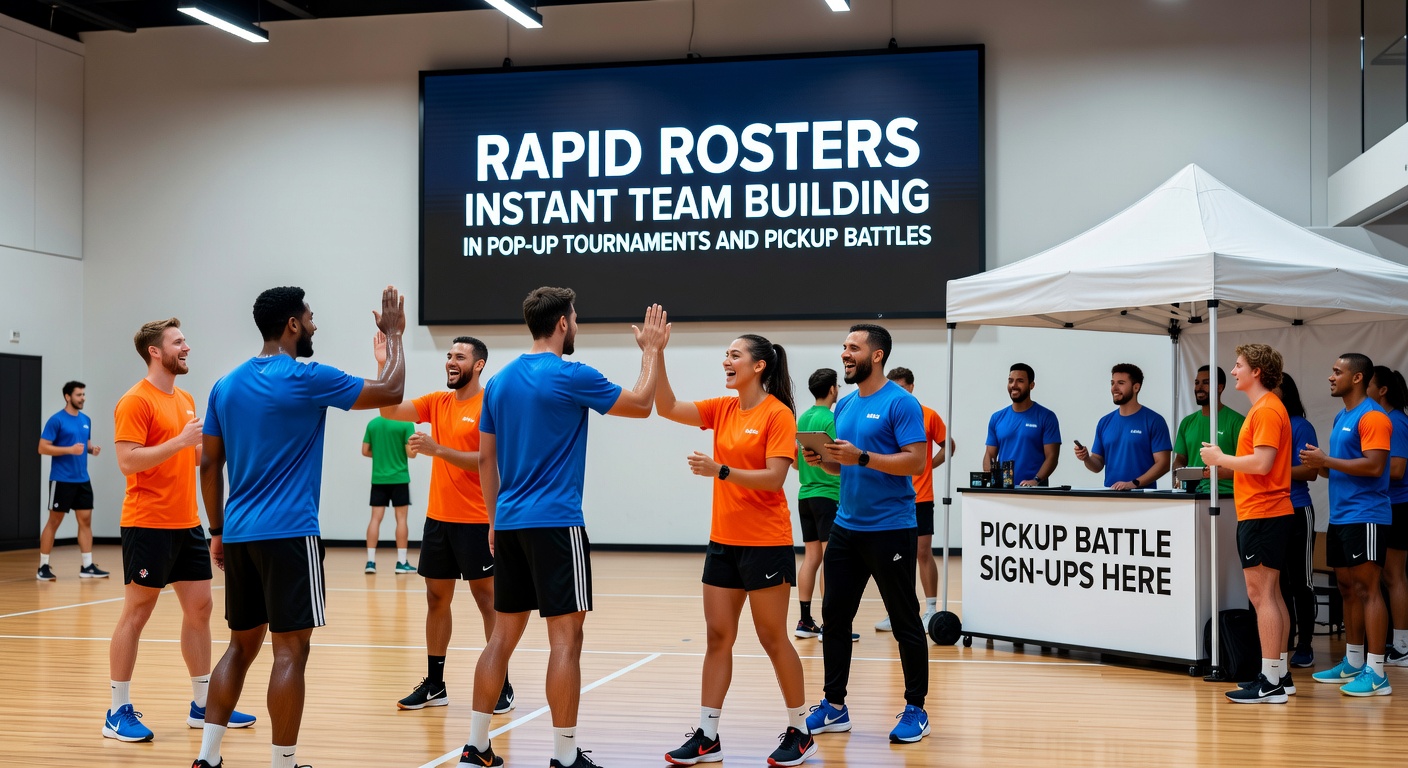
Tech Behind the Speed: Apps and Algorithms Driving the Shift
Core to rapid rosters lies sophisticated matching engines that process thousands of variables per second, from GPS locations to self-reported stats updated post-game; users rate teammates anonymously, refining future pairings while platforms anonymize data for privacy. Semicolon-separated skill tags—like "strong passer; weak finisher"—allow nuanced builds, ensuring no team stacks all shooters or lacks defenders. Platforms integrate with venue bookings too, syncing rosters directly to court schedules and even weather APIs that reroute battles indoors if rain hits.
Turns out, gamification amps retention: badges for perfect attendance or MVP votes in pickups encourage repeat plays, with leaderboards showcasing top roster-flexers who've thrived in varied lineups. One study from Australia's Journal of Sports Sciences (2024) observed how these features correlate with 40% higher weekly engagement versus traditional open plays, where drop-ins often lead to uneven squads and frustration.
Challenges Observers Have Spotted
Not everything runs smoothly, though; tech glitches can strand players mid-roster, while uneven app adoption leaves some venues relying on manual whiteboards as backups. Data indicates 12% of events face mismatches from inaccurate self-ratings, prompting platforms to introduce calibration games—quick 1v1 drills that adjust profiles on-site. And in diverse crowds, language barriers occasionally snag communications, although multilingual apps and universal signals (like hand gestures for subs) bridge gaps effectively.
Looking Ahead: April 2026 and Beyond
Organizers gear up for a packed spring, with April 2026 marking peak season for pop-up tournaments across North America and Europe; cities like Miami host beach ultimate frisbee battles from April 10-12, assembling 500 players via rapid rosters that promise pro-level scouting for amateurs. Meanwhile, Toronto's urban soccer series kicks off April 15, featuring pickup-integrated brackets where daily battles feed into weekend crowns, all powered by evolving AI that predicts dropout risks and auto-fills seamlessly.
Experts predict expansions into niche sports—think padel pop-ups in Spain or spikeball skirmishes in Seattle—where rapid systems lower entry hurdles, drawing 20% more first-timers per event according to early projections. Platforms experiment with VR previews too, letting users "test" potential teammates virtually before committing, a tweak that trials show cuts mismatches by 25%.
So as these battles proliferate, the focus sharpens on equity: initiatives target underserved areas with free app access and subsidized venues, ensuring rapid rosters democratize competition rather than gatekeep it. People who've tracked the evolution know inclusivity metrics have doubled since 2020, with women comprising 42% of participants in recent data tallies.
Conclusion
Rapid rosters have redefined pop-up tournaments and pickup battles, transforming fleeting gatherings into structured spectacles where instant teams deliver real thrills; backed by data showing skyrocketing participation and satisfaction, these tools prove essential for modern casual sports. Challenges persist, yet innovations keep pace, promising even fairer, faster builds ahead—especially with April 2026 lineups already buzzing. Those diving in discover not just games, but communities forged on the fly, ready for whatever battle arises next.