Player Background Metrics and Their Direct Influence on Dynamic Court Reservations in Overlapping Recreational Circuits
Felix Bennett · Jul 15, 2026
Player Background Metrics and Their Direct Influence on Dynamic Court Reservations in Overlapping Recreational Circuits
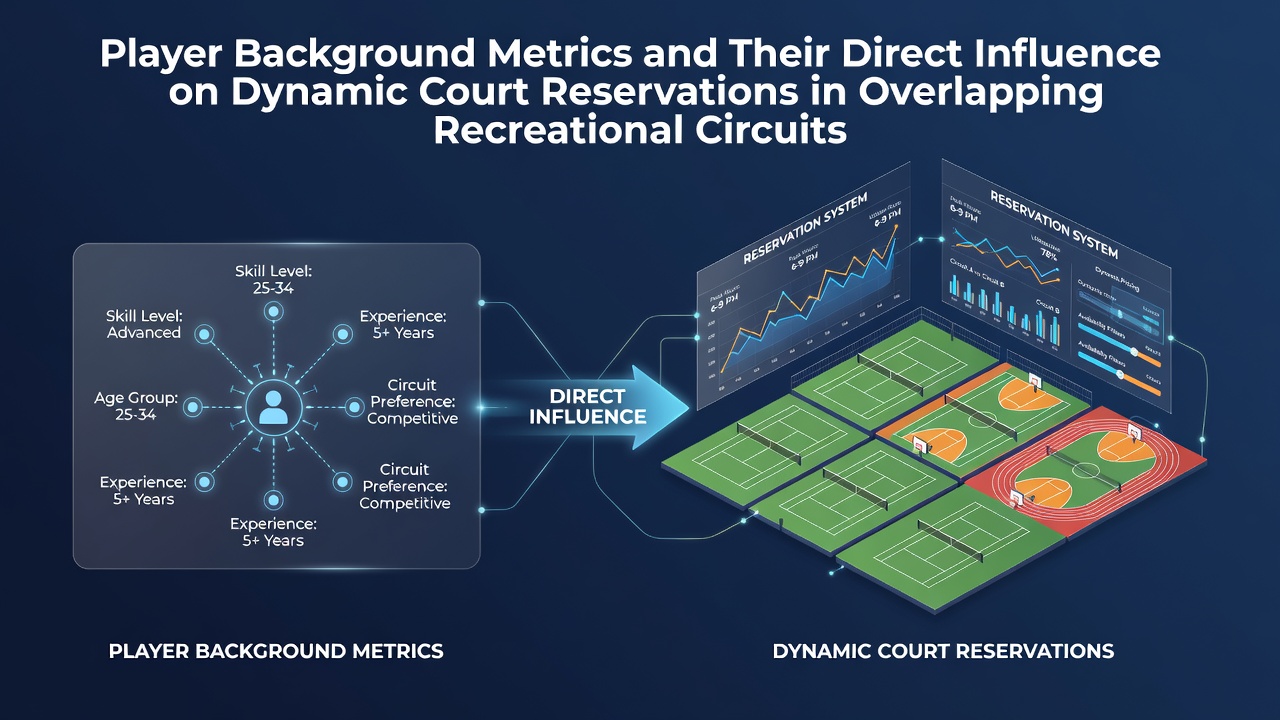
Player background metrics encompass details such as prior participation records, skill assessments, injury histories, residential locations, and preferred playing times, all of which feed directly into reservation algorithms that manage court access across multiple overlapping recreational circuits. These circuits operate when several leagues and pickup groups share limited facilities, requiring systems to adjust bookings in real time based on incoming data streams rather than fixed schedules. Facilities in metropolitan areas have adopted these approaches to handle conflicts that arise when one player's enrollment in two concurrent programs overlaps with another's availability.
Core Components of Background Metrics
Systems collect metrics through registration portals that log age brackets, competitive histories, and travel distances, then cross-reference them against venue capacities. A player with extensive tournament experience might receive priority for prime evening slots because algorithms factor in retention rates from past seasons, while beginners often get slotted into earlier blocks to balance group compositions. Data from shared databases shows how residential zip codes influence assignments, since participants living farther away trigger adjustments that consolidate sessions and reduce no-show rates across connected circuits.
Programs update these profiles continuously, incorporating recent match outcomes and attendance patterns that shift reservation priorities mid-season. In overlapping setups, one circuit's delay in finalizing rosters can cascade into another's timetable because the shared platform recalculates availability using the combined dataset. Observers note that metrics related to equipment preferences or court surface histories also play roles, allowing facilities to route certain groups toward specific venues without manual intervention.
Algorithmic Adjustments in Shared Venues
Dynamic reservation engines process background metrics by applying weighted rules that prioritize balance across circuits, such as matching skill levels to avoid lopsided sessions or clustering players from similar locations to optimize travel logistics. When two leagues request the same court block, the system evaluates cumulative histories to grant access to the group whose combined profile indicates higher utilization rates. Research indicates these adjustments occur hourly during peak periods, drawing from participation logs that track how often individuals have switched between overlapping events.
July 2026 saw several urban networks roll out enhanced versions of these engines, incorporating real-time injury updates that automatically reroute affected players to alternate surfaces or times. The changes reduced double-bookings by integrating data from multiple organizers, allowing one circuit's schedule to adapt when another releases updated entrant lists. Figures from facility operators reveal that location-based metrics alone account for measurable shifts in how courts get allocated during summer overlaps.
Effects on Circuit Coordination
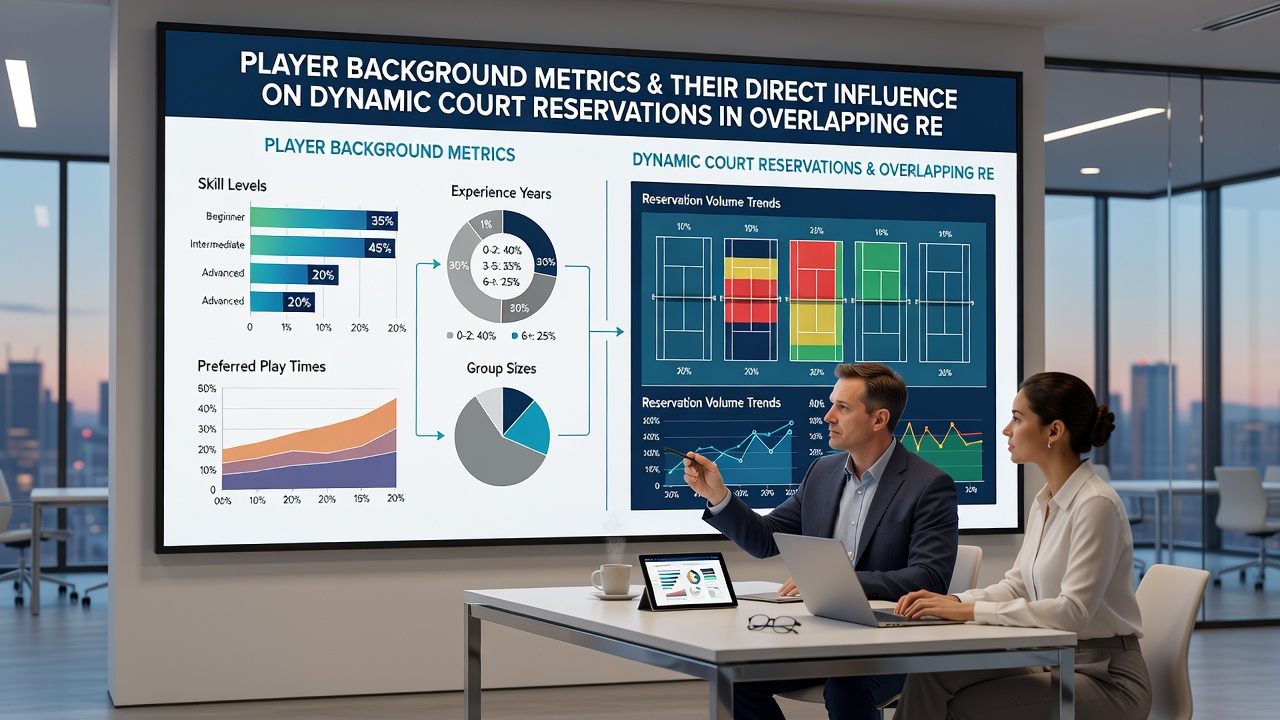
Overlapping recreational circuits rely on these metrics to maintain flow between events, since a single player's profile can trigger reallocations that ripple through connected leagues. When background data shows consistent participation across multiple programs, systems reserve blocks that accommodate transitions without gaps, whereas sporadic histories lead to flexible but shorter slots. A study from the Aspen Institute's sports and society program found that programs sharing facilities experienced smoother operations after incorporating demographic and history metrics into their booking layers.
Networks in North America and Europe have documented how these integrations affect resource timing, with Australian Sports Commission reports noting similar patterns in community court management where travel and skill data guide allocations. The result appears in consolidated calendars that list adjusted times derived from player inputs rather than static requests, enabling organizers to handle higher volumes without expanding physical spaces.
Implementation Patterns Across Regions
Facilities apply the metrics through centralized platforms that pull from registration feeds, updating reservations as new details arrive from participants. In regions with dense overlapping circuits, background elements like past venue usage help prevent overuse of popular courts by redistributing groups based on historical preferences. Those who manage such systems report that combining injury and skill data produces allocations that align better with actual demand patterns observed in prior cycles.
By mid-2026, several multi-league setups had standardized these processes, linking player profiles directly to calendar software that flags potential conflicts before they affect bookings. The approach relies on continuous data exchange between organizers, ensuring that metrics from one circuit inform decisions in another without requiring separate negotiations for each overlap.
Conclusion
Player background metrics continue to shape court reservations by supplying the variables that algorithms use to resolve conflicts in overlapping recreational circuits. Through ongoing collection of histories, locations, and performance indicators, facilities achieve more responsive allocations that accommodate multiple programs on shared resources. As networks expand these integrations, the connections between individual profiles adn collective timetables become central to maintaining operational continuity across seasons.