Payment Pathways Reshaping Access in Grassroots Athletic Collectives
Avery Fischer · Jun 14, 2026
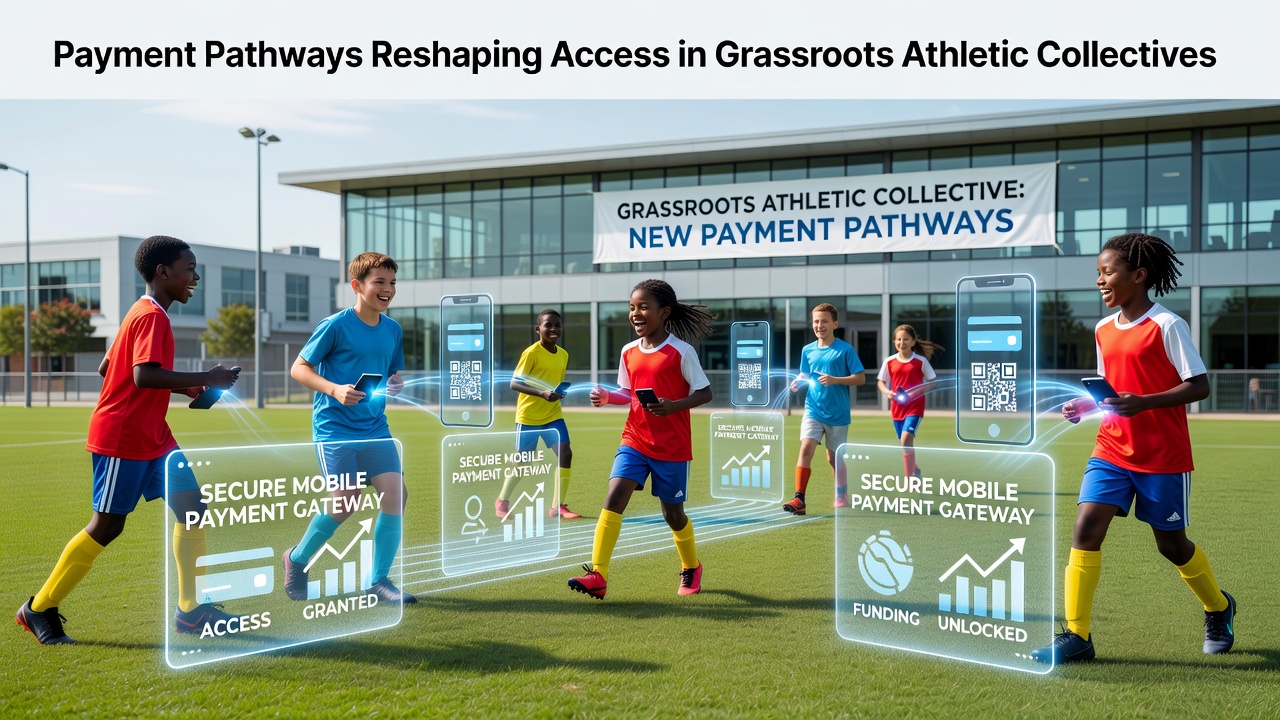
Payment Pathways Reshaping Access in Grassroots Athletic Collectives
Grassroots athletic collectives rely on structured payment systems that determine how participants join teams and maintain involvement over multiple seasons, and these systems have shifted from cash collections at practice fields to integrated digital platforms that process fees through mobile applications and bank transfers. Observers note that such transitions affect entry barriers in community-based programs across multiple regions, where organizers track enrollment through automated invoicing rather than manual ledgers.
Traditional Collection Methods and Their Limitations
Cash payments and check deposits once formed the core of fee handling in neighborhood athletic groups, yet these approaches created delays when funds required physical handoff or bank deposit runs before equipment purchases could proceed. Researchers at the University of Melbourne documented how delayed clearances reduced available resources for last-minute venue bookings in Australian amateur leagues during 2024 seasons. Those who manage collectives report that manual tracking often led to discrepancies that organizers resolved through follow-up calls rather than real-time dashboards.
Digital Integration and Platform Adoption
Payment gateways now connect directly to registration portals, allowing participants to complete transactions via debit cards or digital wallets without visiting physical sites. Data from the Canadian Fitness and Lifestyle Research Institute shows that collectives adopting these systems recorded enrollment completions within hours instead of days when compared against prior seasons. And integration extends further when platforms link participant profiles to recurring billing cycles that align with league start dates.
One collective in Ontario implemented automated reminders through its chosen service provider, which reduced late payments by processing deductions on scheduled dates without additional staff intervention. The European Commission’s 2025 report on recreational sport participation highlights similar patterns in member states where standardized APIs between banking systems and sports software improved fund availability for shared equipment pools.
Effects on Participation Metrics
Access metrics in these collectives show measurable changes after digital pathways replaced older methods, according to figures compiled by Sport Australia in its annual grassroots review. Programs that introduced tiered payment options, including partial installments, reported sustained numbers through mid-season compared with groups that maintained single upfront requirements. Observers note that such flexibility accommodates variable household cash flows without altering overall program capacity.

June 2026 marks the scheduled rollout of updated transaction standards in several provincial sports bodies across Canada, where new encryption protocols will apply to all amateur registration systems handling fees above a set threshold. Those standards aim to align security requirements with existing financial regulations while preserving access for smaller collectives that operate on limited budgets.
Regional Variations in Implementation
Payment adoption rates differ by geography because infrastructure availability influences how quickly collectives transition away from legacy processes. In parts of the European Union, national sports federations have coordinated with local banks to offer subsidized gateway services that lower per-transaction costs for volunteer-run groups. Australian data indicates higher uptake in urban areas where broadband access supports consistent app usage, whereas rural programs combine digital tools with occasional in-person collection points to maintain coverage.
One study from the University of British Columbia tracked collectives that combined mobile payments with occasional cash options and found that hybrid models retained participants who lacked consistent internet access at home. The approach connects directly to broader patterns where information exchange between organizers and players determines which pathways remain viable over successive registration periods.
Resource Allocation Outcomes
Once payments clear through digital channels, organizers redirect funds more rapidly toward facility reservations and coaching stipends rather than waiting for deposits to finalize. Reports from Sport New Zealand indicate that groups using instant settlement features maintained higher equipment replacement rates during 2025 compared with those relying on batch processing. Such shifts occur because cleared amounts appear in collective accounts within the same business day, enabling immediate purchase decisions.
Collectives that integrate payment data with scheduling software can forecast shortfalls earlier in the cycle and adjust roster sizes accordingly before commitments solidify. This linkage appears in multiple documented cases where real-time visibility reduced last-minute cancellations tied to unpaid balances.
Conclusion
Payment pathways continue to evolve within grassroots athletic collectives as digital tools replace manual collection and expand options for how fees reach organizers. Evidence from multiple national reports shows that these changes influence enrollment timing and resource distribution without eliminating the need for hybrid approaches in areas with uneven connectivity. Observers continue to track how June 2026 standards and subsequent updates will further standardize transaction security across regions while preserving participation pathways for varied community groups.