Participant details driving adjustments in shared space timetables for local athletic events
Devon Schwarz · Jul 12, 2026
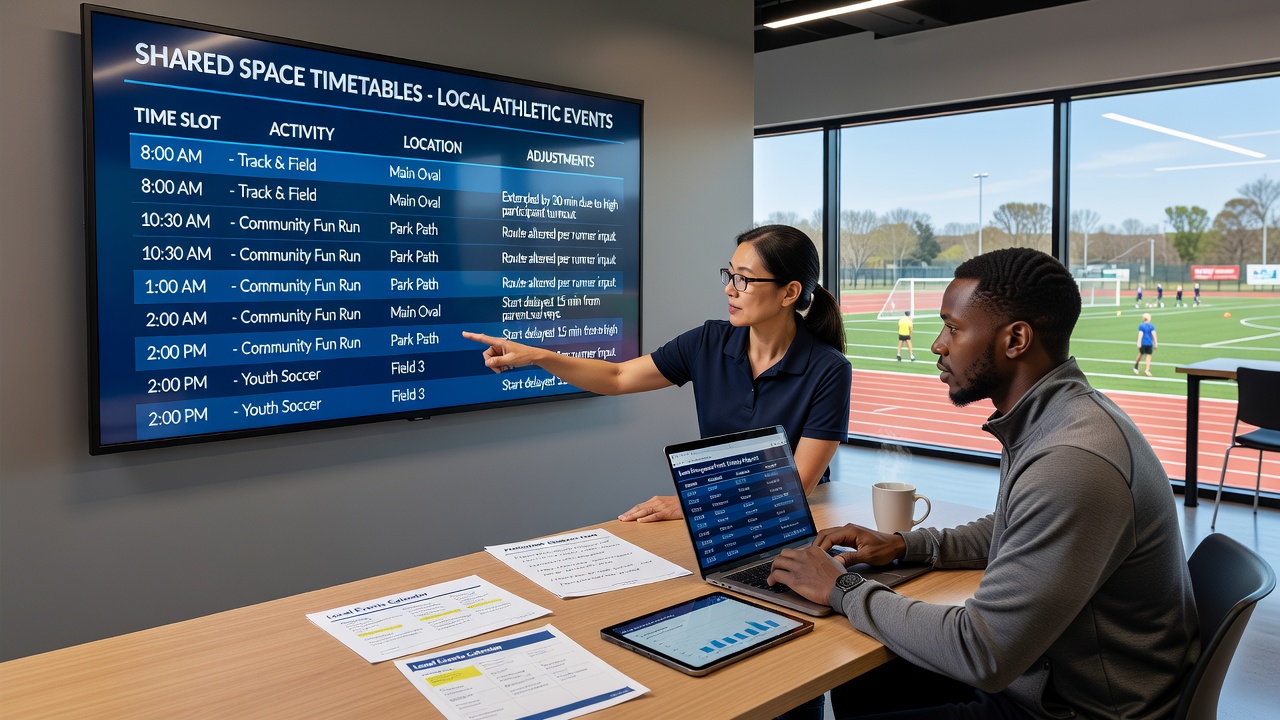
Participant details driving adjustments in shared space timetables for local athletic events
Participant registration numbers, skill levels, and availability preferences shape how local athletic programs rearrange court times, field slots, and training sessions in multi-use venues. Organizers track these elements through digital platforms that feed directly into scheduling software, allowing real-time modifications when new entrants join or existing ones withdraw.Data streams from registrations to timetables
Local leagues collect detailed profiles including age groups, team sizes, accessibility needs, and preferred playing windows, then input this information into centralized databases that recalculate availability across shared facilities. Studies from the Australian Sports Commission indicate that participant volume spikes of 15 to 20 percent in summer months prompt immediate redistribution of evening slots to accommodate additional matches without overlapping with other community groups.
July 2026 registrations already show early patterns of higher youth participation in several mid-sized cities, prompting coordinators to shift morning sessions earlier to free up afternoon space for adult leagues. These adjustments occur because systems flag conflicts automatically when enrollment data exceeds preset thresholds for each venue.
Facility coordination across multiple leagues
Shared spaces such as municipal recreation centers and school fields host several independent programs simultaneously, so participant details from one league ripple outward to affect others. When a basketball association reports increased demand for wheelchair-accessible courts, schedulers reallocate those specific times and notify adjacent programs that must move their sessions.
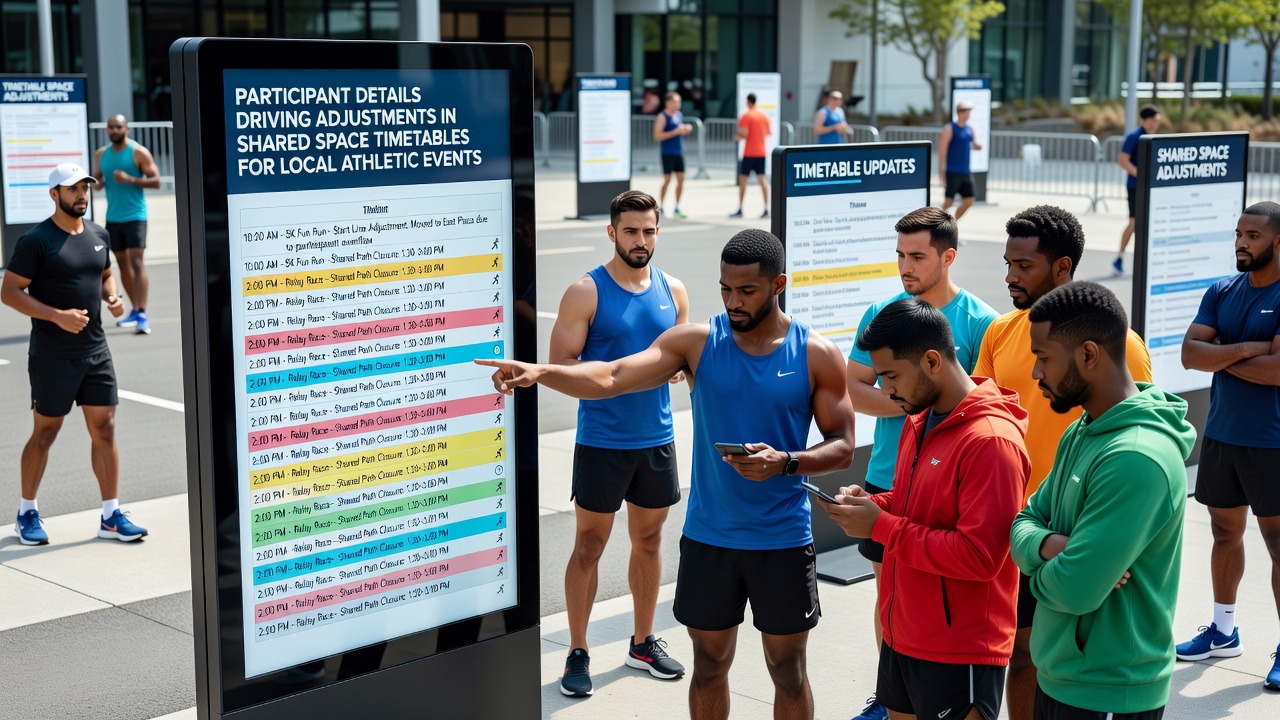
Research published by the University of Toronto's Faculty of Kinesiology demonstrates that incorporating demographic variables like participant age distribution reduces double-booking incidents by nearly 30 percent in networks managing five or more overlapping leagues. Coordinators rely on these metrics to maintain balanced utilization rates across courts and fields.
Examples from regional programs
Take one community center in Melbourne where weekly soccer registrations jumped after a new corporate wellness initiative began, forcing organizers to compress existing junior clinics into shorter blocks and extend field lighting hours. The change stemmed directly from updated player lists that revealed higher evening availability among adult participants.
Similar patterns appear in Canadian municipal leagues tracked by the Canadian Parks and Recreation Association, where contact information and skill-level data allow quick reassignment of practice times when teams report roster changes mid-season. These modifications prevent underused slots while preserving fairness across all registered groups.
Technology enabling responsive planning
Modern scheduling platforms integrate participant databases with venue calendars so that alterations propagate instantly to all affected parties. When a sudden influx of new sign-ups arrives, algorithms prioritize sessions by group size and required equipment, then generate revised timetables that account for shared-space constraints such as maintenance windows and concurrent events.
Observers note that this process becomes particularly active during transition periods like the start of new fiscal years for community centers, when fresh enrollment data arrives in bulk and triggers widespread timetable reviews.
Conclusion
Participant details continue to serve as the primary input for timetable modifications in shared athletic environments, with registration systems feeding directly into venue management protocols. As programs expand and diversify, the flow of individual and team information determines how efficiently facilities accommodate competing demands. Local organizers maintain these linkages through consistent data updates that reflect real-time changes in enrollment and availability.