Outcome Waves: How Competition Results Reshape Upcoming Fixtures in Resource-Shared Athletic Programs
Hugo Patterson · May 27, 2026

Outcome Waves: How Competition Results Reshape Upcoming Fixtures in Resource-Shared Athletic Programs
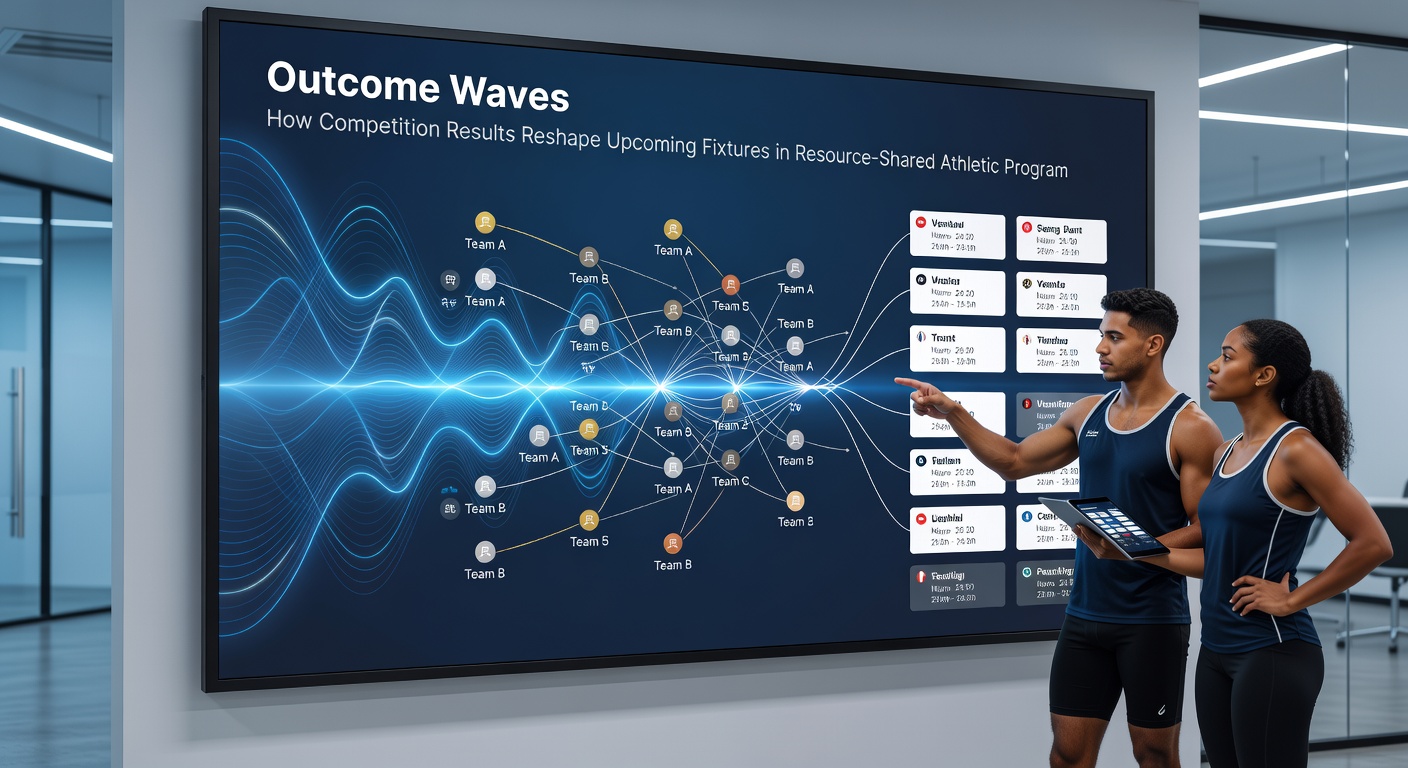
Competition outcomes create ripple effects across athletic programs that share limited venues, equipment, and time slots, and those effects become visible in how organizers adjust future matchups. In settings where multiple teams rely on the same fields or courts, results from one round often trigger reallocation of prime practice windows or tournament berths for the weeks that follow. Observers note that leagues operating under tight resource constraints treat performance data as one input among several when they rebuild calendars.
Resource Allocation Mechanics in Shared Facilities
Programs that divide access to municipal fields, school gyms, and regional centers track results because those numbers help determine priority rankings for the next block of dates. A team that advances in a playoff bracket may receive an earlier slot on the main pitch, while squads that finish lower shift to secondary venues or midweek times. Data from the Canadian Fitness and Lifestyle Research Institute shows that such reordering occurs most often in community leagues where total available hours remain fixed across the season.
Coordinators collect win-loss records, point differentials, and attendance figures after each event cycle, then feed those figures into scheduling software that balances demand against supply. When one club consistently draws larger crowds, its upcoming home fixtures sometimes move to larger but still shared stadiums to accommodate overflow, which in turn displaces another group to an alternate site. The process repeats every four to six weeks in many municipal systems.
Fixture Adjustments Following Performance Shifts
Results also influence division realignments that change travel distances and opponent strength for the remainder of the year. A side that exceeds expectations may receive promotion into a higher resource tier, gaining access to better-maintained pitches during peak hours, whereas teams that struggle drop into brackets that share facilities with recreational groups. These movements alter the entire fixture list because each division operates on its own calendar template.
In May 2026, several North American city leagues plan to release updated summer schedules that incorporate spring performance data, and those releases will show how many teams swapped time slots after final standings were certified. Coordinators cite the need to keep utilization rates above 80 percent across all venues as the main driver behind the changes.
Case Examples from Multi-Team Programs
Take one regional basketball association that manages four gyms for twelve clubs. After the winter season concluded, the top three teams moved into the largest gym for evening slots while lower-placed squads accepted morning and weekend rotations at the smaller sites. The shift freed additional court time for youth development sessions that had been waitlisted since January. Similar patterns appear in European club systems tracked by the European Observatoire of Sport and Employment, where performance-linked venue priority helps maintain steady participation numbers across age groups.
Another instance involves a university intramural program that shares fields with local high-school teams. Strong results in spring tournaments led organizers to grant the winning squads exclusive use of the lighted turf on weekday evenings, pushing recreational matches to daylight hours. The adjustment reduced conflicts during exam periods and kept overall field hours fully booked without extending staff overtime.
Data Inputs That Drive Rescheduling
Leagues collect more than final scores. They also log facility wear metrics, travel costs, and volunteer availability, then combine those variables with outcome rankings to generate revised calendars. When a high-performing team requests additional recovery time after a long playoff run, schedulers often insert byes or move opponents to alternate dates rather than risk injuries on overused surfaces. The resulting fixture list reflects both competitive merit and practical constraints.
Software platforms used by these programs update automatically once results are entered, producing new conflict reports within hours. Administrators then review the suggestions and lock the next block of dates, usually two to three weeks ahead of the actual events. This cycle keeps information current while still allowing last-minute adjustments for weather or maintenance issues.
Conclusion
Outcome waves travel through resource-shared athletic programs by altering priority lists, division placements, and time allocations that organizers must balance against fixed venue capacity. Performance data feeds directly into the next round of fixture planning, and those plans determine which teams practice when and where. As leagues release updated calendars for the period beginning in May 2026, the connection between past results and future access remains a central operating principle across shared-facility environments.