Ledger Lines: How Entry Payments Steer Equipment Shares and Match Timings Across Shared Athletic Spaces
Hugo Patterson · Jun 28, 2026
Ledger Lines: How Entry Payments Steer Equipment Shares and Match Timings Across Shared Athletic Spaces
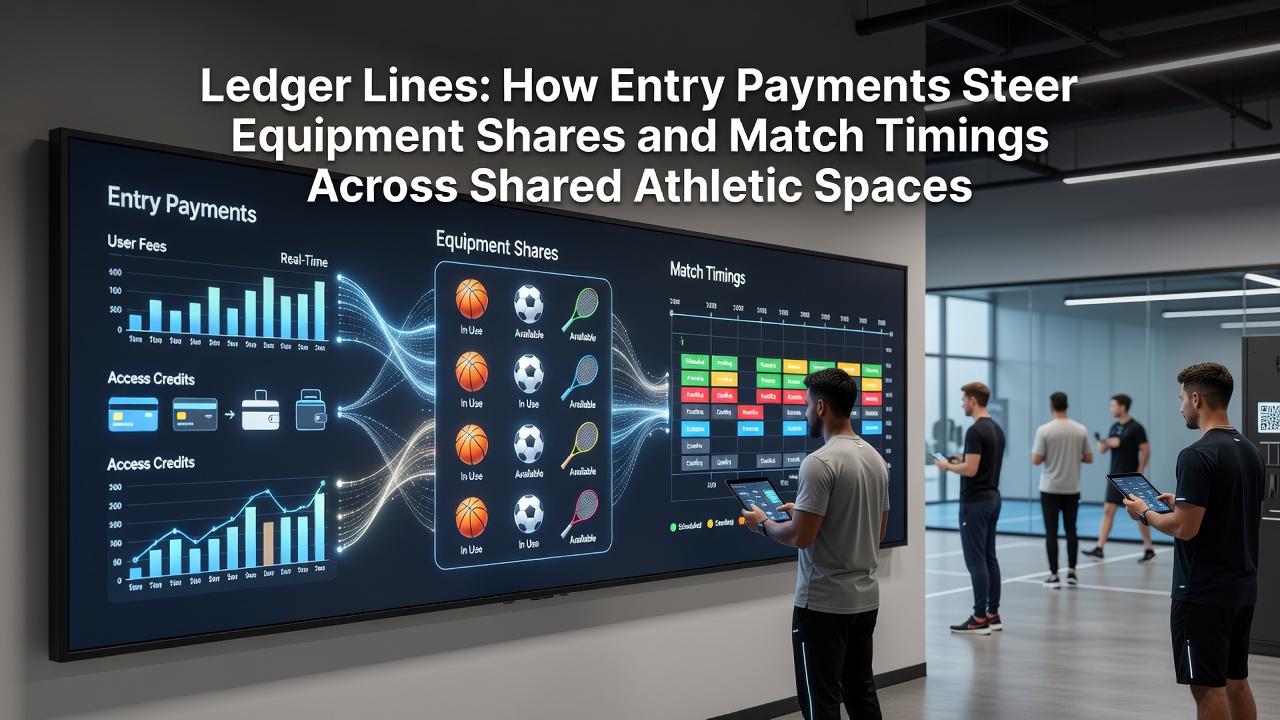
Entry payments in recreational athletic programs create detailed financial records that directly influence how equipment gets distributed and when matches occur on shared courts and fields, according to facility management data from multi-league networks. These records track fees from individual participants and teams, then route those funds toward specific resources like balls, nets, and protective gear while also determining priority slots during peak hours. Observers note that facilities handling overlapping schedules often rely on these payment streams to balance demand across different user groups without double-booking limited assets.
Payment Records Shape Resource Allocation
Community athletic centers maintain ledger systems that log each entry fee against particular equipment categories and time blocks, which allows coordinators to release gear only after payments clear and to adjust court availability based on total collected amounts. Data from regional sports networks shows that programs with higher aggregate entry revenues can expand equipment pools by 15 to 20 percent during summer months, whereas lower-payment groups face stricter rotation schedules that limit simultaneous access. Those who study these systems find that the linkage between incoming funds and outgoing resources reduces disputes over missing items because each allocation carries a traceable financial marker back to the paying teams.
Facilities in dense urban areas frequently combine payments from multiple leagues into shared equipment inventories, yet the records still assign usage rights proportionally so that one league's contribution does not subsidize another's matches without corresponding schedule credits. This proportional model appears in reports from Sport England, which examined how payment tracking supports equitable distribution across public pitches and halls. Coordinators update these ledgers weekly, and any shortfall in expected fees triggers automatic reductions in available equipment hours for the affected groups.
Timing Adjustments Follow Fee Patterns
Match timings shift in response to entry payment volumes because facilities prioritize slots for groups whose fees cover extended operating costs such as lighting, staffing, and maintenance. When a league submits higher total payments early in a season, its teams receive earlier evening windows or weekend blocks that overlap less with other programs, while lower-payment entries get slotted into off-peak periods. Research from university facility management studies indicates that this dynamic keeps overall venue utilization above 80 percent during June 2026 across monitored sites in several North American cities.
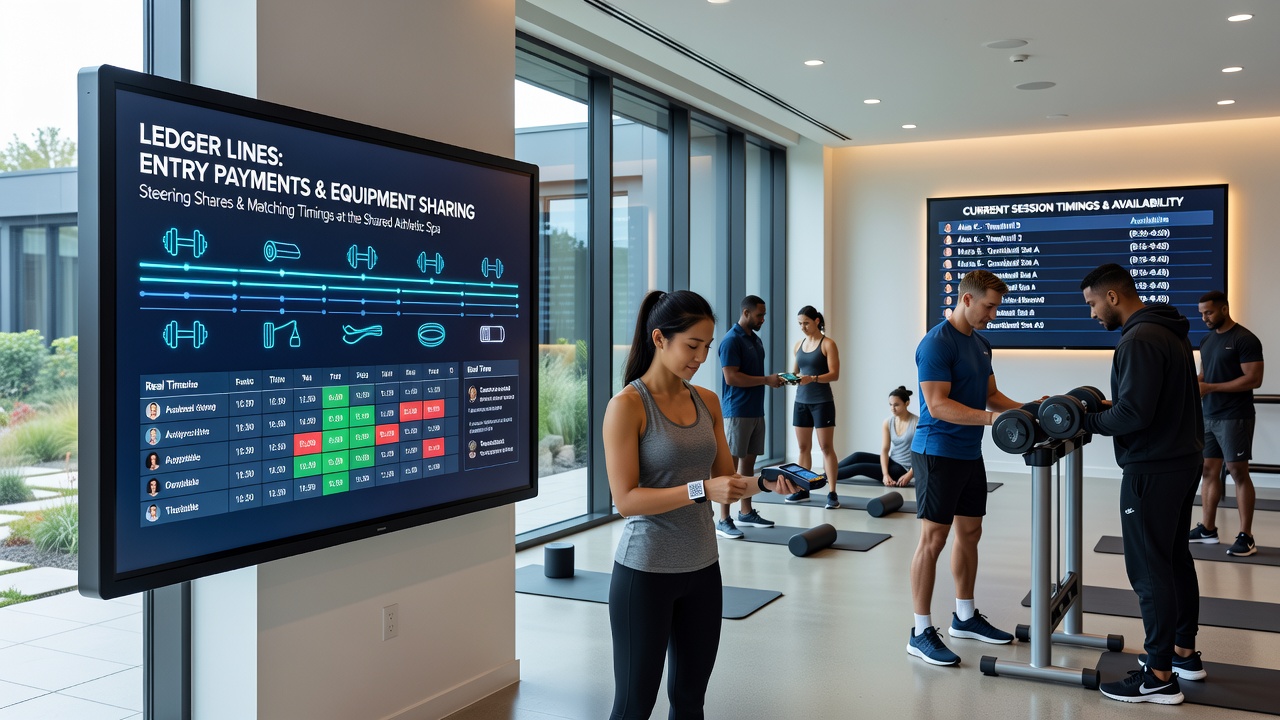
Coordinators cross-reference payment dates with roster submissions to forecast demand spikes, then reassign time blocks accordingly so that equipment remains available only for confirmed, paid sessions. One documented case involved three overlapping recreational basketball leagues where a late surge in fees from one group prompted the venue to move another league's games to adjacent courts with different equipment sets, preserving the original lighting schedule for the higher-paying entrants. Such adjustments rely on real-time ledger updates rather than fixed calendars, which allows the system to absorb last-minute registrations without disrupting already-confirmed matches.
Equipment Sharing Protocols Tied to Payment Status
Shared athletic spaces enforce equipment checkout rules that reference payment ledgers directly, so teams cannot access items until their entry fees register as received and allocated. Protocols typically require digital verification of each payment line before releasing keys or sign-out sheets, which prevents unauthorized borrowing across leagues that occupy the same storage areas. Figures from the National Recreation and Park Association reveal that venues adopting this verification step reduced equipment loss rates by nearly 30 percent over two seasons while maintaining consistent availability for paid participants.
Multiple leagues operating in one building often pool certain durable items like scoreboards and cones, but the underlying records still track which groups funded replacements or repairs, thereby determining who receives priority during simultaneous events. When payments arrive in installments, facilities prorate equipment access accordingly, releasing partial inventories to match the percentage of fees collected so far. This approach keeps the overall system balanced even when individual teams experience cash-flow delays.
Integration Across Multi-League Networks
Networks that span several venues use centralized ledger platforms to synchronize equipment shares and timings, allowing one facility's surplus gear to move to another site where payment volumes have created unexpected demand. The synchronization process compares total fees collected against projected match counts, then generates revised timetables that reflect actual resource capacity rather than initial projections. Observers note that this integration prevents bottlenecks during high-demand periods such as spring tournaments, when overlapping leagues compete for the same portable goals and timing equipment.
Payment data also informs decisions about extending facility hours or adding temporary staff, because higher aggregate entries justify those operational expansions. Programs that maintain transparent ledger summaries for participants report fewer conflicts over schedule changes, since teams can see exactly how their fees contributed to the available slots and equipment sets. In June 2026 several municipal networks introduced automated alerts that notify coordinators when payment thresholds trigger new equipment releases or time reallocations.
Conclusion
Ledger systems continue to serve as the primary mechanism linking entry payments to both equipment distribution and match scheduling in shared athletic environments. The traceable connection between fees and resources enables facilities to manage overlapping demands while preserving proportional access for all contributing groups. As networks expand and more leagues adopt digital payment tracking, these financial records will further refine how equipment moves and when games occur across multi-use spaces.