Invisible Data Links Reshaping Opportunity Allocation Across Community Athletic Programs
Dana Becker · Jun 12, 2026
Invisible Data Links Reshaping Opportunity Allocation Across Community Athletic Programs
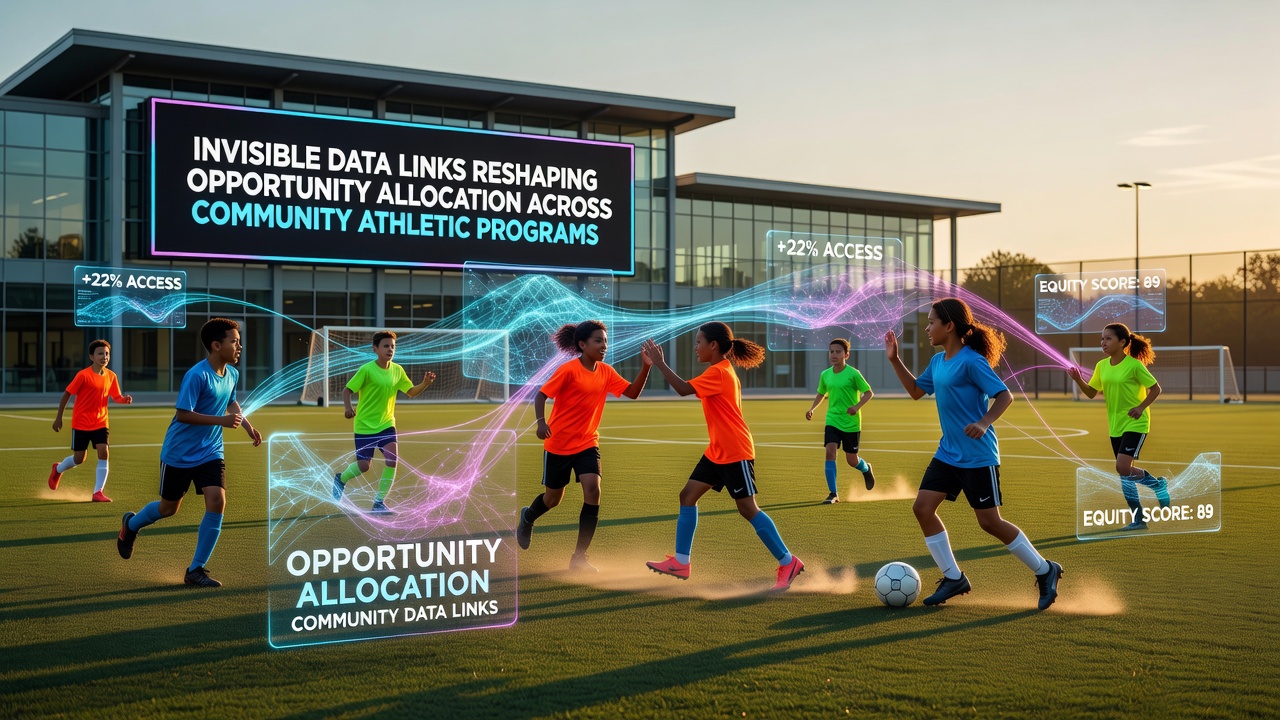
Community athletic programs rely on layered databases that connect player registrations, performance records, and facility availability, and these connections now determine how courts, fields, and coaching time get distributed among participants. Systems pull enrollment details from online forms, merge them with historical attendance logs, then feed the combined information into scheduling tools that assign time slots without manual intervention by organizers.
Core Mechanisms Driving Allocation Shifts
Registration platforms collect names, ages, skill indicators, and contact information at the point of signup, after which those entries move through shared servers to booking calendars used by multiple leagues operating in the same region. When one league updates its roster counts, the change propagates to adjacent programs that share venues, prompting automatic adjustments to practice windows and game dates. Observers note that this flow replaces earlier paper-based lists and phone trees, which once required direct calls between coordinators to resolve conflicts.
Algorithms within the platforms weigh factors such as team size, prior usage rates, and reported injury data to rank requests for peak evening hours, and the rankings produce revised timetables that appear on participant dashboards within minutes of each update. Research from Sport Australia indicates that facilities adopting these integrated platforms recorded a 27 percent increase in total scheduled hours between 2023 and 2025, largely because overlapping claims became visible to all parties before conflicts escalated.
Effects on Participant Access Patterns
Young athletes whose profiles include consistent attendance markers receive priority flags in the allocation queue, while new entrants without prior data points often land in secondary time blocks until their records accumulate. This pattern appears across municipal recreation departments that operate both youth and adult divisions on shared turf fields. Data streams also carry demographic tags entered during signup, allowing programs to balance age groups or skill levels across available courts without separate manual tallies.
Coordinators in multi-league networks report that visibility into real-time roster changes helps them shift underutilized slots toward groups that finished registration earliest, and those shifts occur most noticeably during summer transition periods. In June 2026 several regional networks plan to activate enhanced matching modules that incorporate weather forecasts and maintenance logs, further tightening the link between recorded usage and future bookings.
Cross-Regional Examples and Data Flows
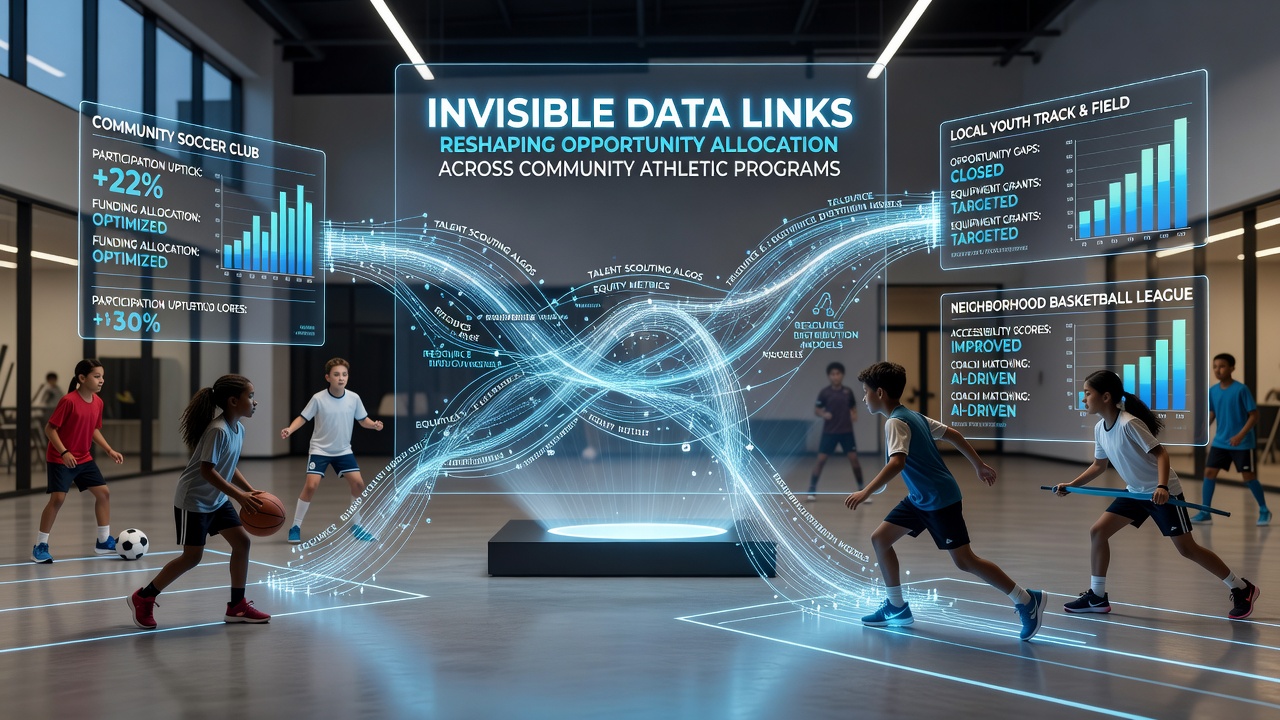
One network in the Pacific Northwest merged registration portals for soccer and baseball programs that share four lighted fields, resulting in an automatic redistribution of prime slots after the soccer league submitted larger spring rosters. The baseball coordinators received notifications of the change through the same system, allowing them to request alternate weekday mornings that had previously gone unused. Similar mergers have taken place in Canadian provinces where provincial sport bodies maintain centralized databases accessible to municipal partners.
Figures released by Canadian Heritage through Sport Canada show that communities using linked registration and scheduling tools experienced a measurable rise in cross-program participation, because families could view available openings across multiple sports without contacting separate offices. The same data pathways carry equipment inventory counts and volunteer availability, so an increase in registered players triggers alerts about needed additional coaches or cones before the season opens.
Privacy Controls and Compliance Layers
Platforms incorporate consent toggles that limit how far individual records travel beyond the immediate league, yet aggregated counts still inform allocation decisions across the broader network. Compliance officers review audit trails that document every query made against the shared servers, and those trails help organizations meet data-protection standards required by regional regulations. When participants opt out of broader sharing, their details remain visible only to their registered league while still contributing to overall capacity totals used for venue planning.
Updates scheduled for June 2026 include additional encryption steps that separate personally identifiable fields from the usage metrics passed between facilities, preserving allocation efficiency while narrowing the scope of shared information. Those steps build on existing practices already documented in pilot programs run by several state recreation associations.
Future Integration Points
Developers continue to connect these athletic databases with external municipal systems that track park maintenance schedules and public transit adjustments, creating longer chains that influence which venues receive priority for evening lighting or field resurfacing. The result is a continuously updated map of opportunity that changes whenever any single data point moves. Organizations adopting the newest modules receive weekly summary reports that list how many time slots shifted because of upstream roster changes, allowing staff to monitor patterns without reviewing every individual entry.
Conclusion
Invisible data connections now sit at the center of how community athletic programs decide who practices when and where resources concentrate, and the reach of those connections continues to expand through planned updates. The mechanisms rely on steady inflows from registration forms, performance logs, and facility sensors rather than on isolated decisions made by individual organizers. As networks add layers in 2026 and beyond, the same flows that allocate court time will also shape equipment distribution and coaching assignments across widening geographic areas.