Interwoven Agendas: How Player Information Networks Guide Event Planning and Facility Coordination in Recreational Leagues
Dana Becker · Jun 7, 2026

Interwoven Agendas: How Player Information Networks Guide Event Planning and Facility Coordination in Recreational Leagues
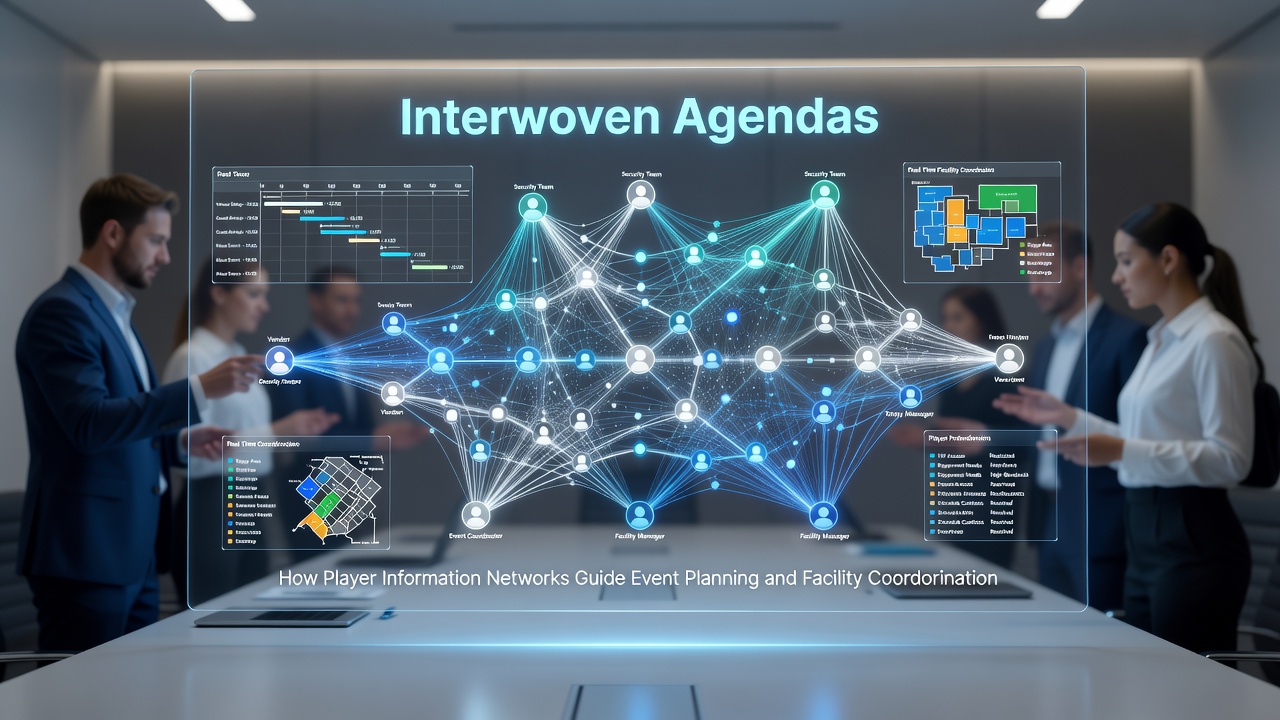
Player information networks operate as interconnected systems of contact details, availability updates, and participation histories that recreational leagues rely on to organize events and allocate facilities, and these networks transmit data from individual participants directly into planning tools used by organizers across multiple regions.
Data Streams That Shape Initial Planning
Leagues collect roster information, preferred times, and skill levels through shared digital platforms or group communications, which then feed into scheduling algorithms that match available courts, fields, and gyms with group sizes and event types. Research from the Australian Sports Commission indicates that coordinated data exchanges reduce conflicts over shared spaces by aligning participant numbers with venue capacities in advance of each season cycle.
Facility managers receive aggregated reports on expected attendance and equipment needs, allowing them to adjust bookings for multi-team tournaments or weekly matches without last-minute reallocations, and this process becomes especially visible during peak periods when overlapping leagues compete for the same resources.
Coordination Mechanisms Across Venues
Information networks link player profiles to facility calendars through centralized databases that organizers update in real time, and these updates reflect changes in team compositions or cancellations that alter space requirements. Data from Sport Canada shows that such networks enable reallocations of indoor facilities during winter months when demand rises, preventing underutilization of certain sites while others face overloads.
Event planners monitor patterns in participation trends drawn from these networks to forecast needs for additional lighting, parking, or staffing, and this forecasting draws on historical records that connect individual player movements to broader league flows across districts.
June 2026 Planning Cycles and Network Impacts
In June 2026 many recreational programs in North America and Europe finalize summer schedules using data pulled from player networks that track summer availability and travel constraints, and this timing aligns with academic calendars ending to maximize turnout. Organizers cross-reference these inputs against venue maintenance windows reported by municipal authorities to avoid double bookings during facility closures.
Leagues that integrate these networks report smoother transitions between spring and summer events because availability flags from players trigger automatic adjustments in court assignments and referee assignments, while separate systems handle insurance verifications tied to the same participant records.
Examples of Network-Driven Adjustments
Take one community league in a mid-sized Canadian city that uses shared spreadsheets updated by team captains to signal roster changes, and these signals prompt facility coordinators to swap time slots between adjacent fields when group sizes fluctuate. Similar patterns appear in Australian regional programs where player-submitted preference lists guide the division of larger parks into zoned areas for simultaneous activities.
Those who maintain these networks note that cross-league data sharing prevents situations where one organization overbooks a single gymnasium while another sits idle, and the resulting coordination relies on standardized formats for transmitting availability and injury updates that affect participation counts.
Resource Allocation Patterns
Facility operators analyze aggregated network outputs to distribute equipment like nets, balls, and scoreboards based on predicted demand from interconnected player groups, and this distribution follows patterns established over multiple seasons. European studies on amateur sport infrastructure highlight how such data flows support equitable access across urban and suburban sites by identifying underused locations that can absorb overflow from busier venues.
Event timelines adjust when networks reveal clusters of participants with conflicting commitments, allowing planners to sequence matches in ways that respect shared transportation or childcare constraints common among adult recreational players.
Conclusion
Player information networks continue to serve as the backbone for event planning and facility coordination in recreational leagues by channeling individual details into collective decisions about venues and timings. Data exchanges across these systems support efficient use of shared resources while adapting to seasonal demands and participant shifts observed in programs worldwide.