Digital Footprints of Athlete Enrollment Reshaping Court Availability in Grassroots Play Networks
Felix Bennett · Jun 24, 2026
Digital Footprints of Athlete Enrollment Reshaping Court Availability in Grassroots Play Networks
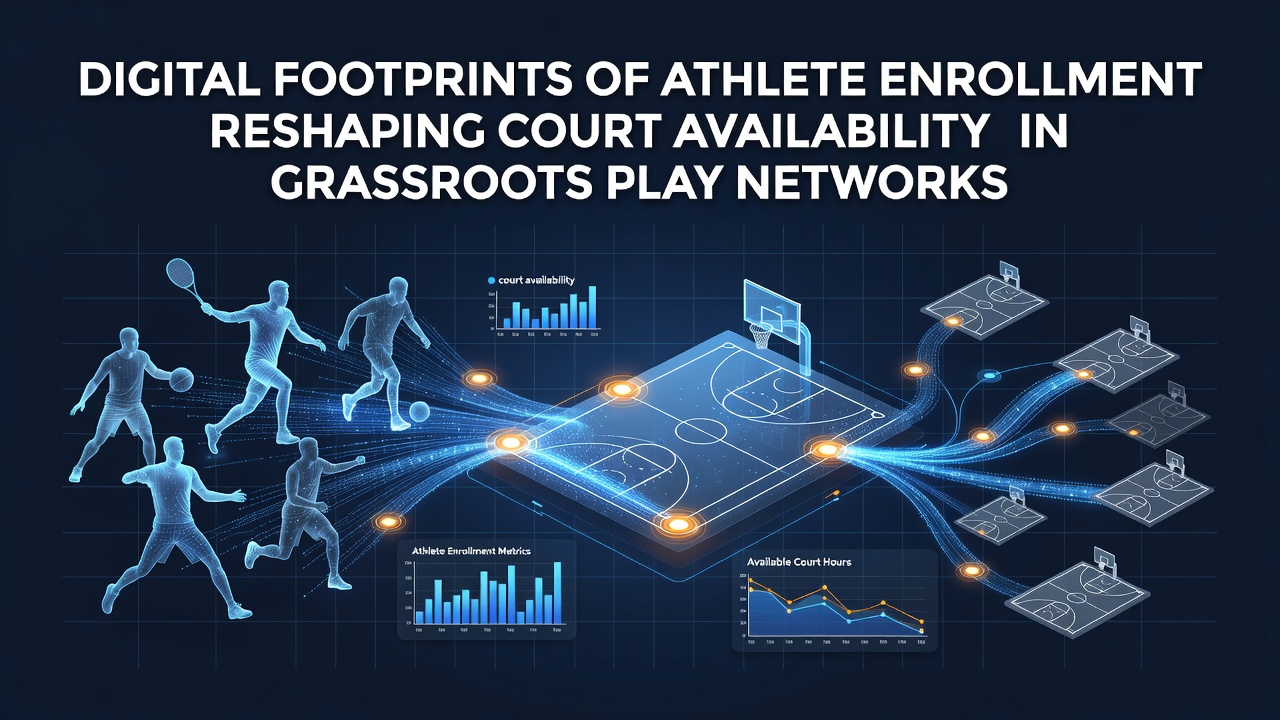
Enrollment platforms in grassroots sports collect detailed participant information that extends well beyond basic contact details, and these digital traces now feed directly into court and field allocation systems across neighborhood athletic associations. Registration forms capture preferred playing times, historical participation patterns, skill indicators, and even group affiliations, creating datasets that administrators and automated tools reference when determining availability. In many regions, community centers and municipal recreation departments integrate these records with booking software, which adjusts slot distributions based on predicted demand derived from past sign-ups.
Data Streams from Registration to Resource Planning
Community leagues in North America and Europe have adopted enrollment systems that log every interaction from initial signup through season completion, and this information travels into centralized databases used for scheduling decisions. When athletes submit preferences for evening sessions or weekend matches, those selections accumulate into aggregate profiles that signal peak usage periods for specific facilities. Observers note that such accumulation allows planners to forecast occupancy rates weeks ahead, which in turn influences how many courts remain open for walk-up play versus reserved blocks. Researchers at institutions like the University of Toronto have documented how similar data flows altered facility access patterns in Canadian municipal programs between 2024 and 2025.
But here's the thing: once an athlete's enrollment history enters the system, it contributes to models that prioritize certain groups or time blocks over others, and this prioritization occurs without manual review in many automated setups. A single registration for a recurring youth clinic, for instance, generates multiple data points that later algorithms weigh against requests from adult recreational teams. The result appears in published court timetables where slots previously available for open play shift to accommodate recurring enrolled cohorts.
Allocation Adjustments Observed Through 2026
By June 2026 several municipal networks reported measurable shifts in court availability following updates to their enrollment-linked scheduling tools, and these changes coincided with increased participation volumes tracked through digital platforms. Facilities that previously held 30 percent of daytime courts for unscheduled use reduced that share after enrollment data revealed consistent demand from organized groups during those hours. Planners in Australian community programs, drawing on reports from the Australian Sports Commission, applied comparable adjustments after analyzing registration trends from the prior two seasons.
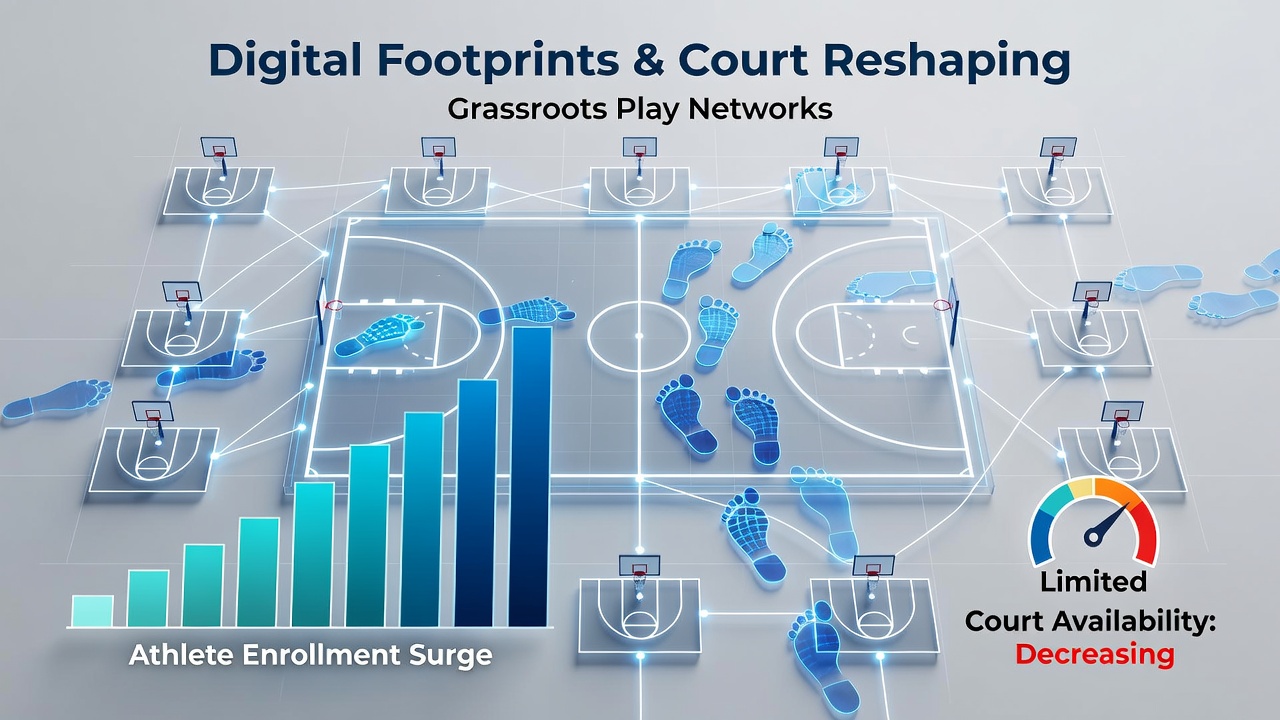
What's significant is that these adjustments often occur through rule-based scripts rather than direct human intervention, and the scripts reference variables such as total enrolled participants per age bracket or geographic cluster. When enrollment numbers for a particular weekday evening climb above a threshold, the system automatically locks additional courts into reserved status for the corresponding league. Data from Sport Canada initiatives shows similar logic applied across multiple provinces, where participant volume directly correlates with reduced open-court windows in shared indoor venues.
Network Effects Across Overlapping Leagues
Grassroots networks frequently share physical spaces among several independent leagues, and enrollment footprints travel between those organizations when they use common booking portals. One league's registration surge for Tuesday evenings can trigger availability reductions that affect an unaffiliated pickup group using the same portal. Planners address such overlaps by cross-referencing participant lists against historical utilization logs, which produces revised calendars released monthly. In practice, athletes who enroll early often secure recurring slots, while later registrants encounter fewer open options because the system has already reallocated those times based on cumulative demand signals.
Turns out the same datasets also influence decisions about facility maintenance windows, because projected low-usage periods derived from enrollment patterns allow crews to schedule repairs without disrupting peak enrolled activities. European municipal operators referenced in EU sport policy documents have applied this approach to multi-sport centers where court resurfacing now aligns with enrollment-derived downtime forecasts rather than fixed seasonal calendars.
Conclusion
Digital enrollment records continue to serve as primary inputs for court availability determinations in grassroots athletic networks, and the connections between registration data and facility timetables have grown more direct as automation expands. Patterns established through these systems shape which sessions remain open and which become reserved, with adjustments appearing regularly in published schedules. As enrollment volumes rise and integration between platforms deepens, the influence of participant footprints on resource distribution shows no sign of diminishing in the near term.