Bridging Records and Resources: How Participant Details Drive Scheduling Shifts and Venue Allocations in Multi-League Athletic Networks
Avery Fischer · May 29, 2026

Bridging Records and Resources: How Participant Details Drive Scheduling Shifts and Venue Allocations in Multi-League Athletic Networks
Participant records form the backbone of operations across interconnected athletic leagues where shared venues and overlapping calendars create constant pressure on resources, and details such as age brackets, skill ratings, injury histories, and availability patterns feed directly into automated and manual systems that adjust fixtures and reassign courts or fields.
Those who manage multi-league networks observe that even small updates to a single player's profile can trigger cascading changes because eligibility rules, roster limits, and facility constraints all draw from the same central data pool.
Data Streams That Shape Daily Operations
Registration systems collect core identifiers at enrollment then layer on performance metrics, medical clearances, and preferred time slots which league coordinators pull into scheduling software throughout the year. In May 2026 planners across several regional networks began incorporating real-time availability flags from participant apps into their weekly reviews, allowing last-minute substitutions to ripple through without manual re-entry of basic facts.
Research from the University of Waterloo's sports analytics group shows that networks using unified participant databases reduce scheduling conflicts by measurable percentages compared with fragmented spreadsheets, because cross-referenced fields automatically flag double-bookings before they reach confirmation stages.
Scheduling Adjustments Triggered by Profile Updates
When a participant reports a change in availability or a new medical restriction the system recalculates affected matches and proposes alternative slots that respect both league rules and venue capacities. Observers note that these shifts often occur overnight during peak seasons when multiple leagues compete for the same indoor facilities, and the process relies on stored preferences to match revised player data with open windows.
Take one coordinator who tracked a youth division where several athletes updated their school-exam schedules in early spring; the resulting adjustments moved evening games to weekend mornings and freed up weekday practice courts for an adult league that had been waitlisted. Such examples illustrate how individual records serve as inputs rather than static entries.
Venue Allocations Guided by Accumulated Details
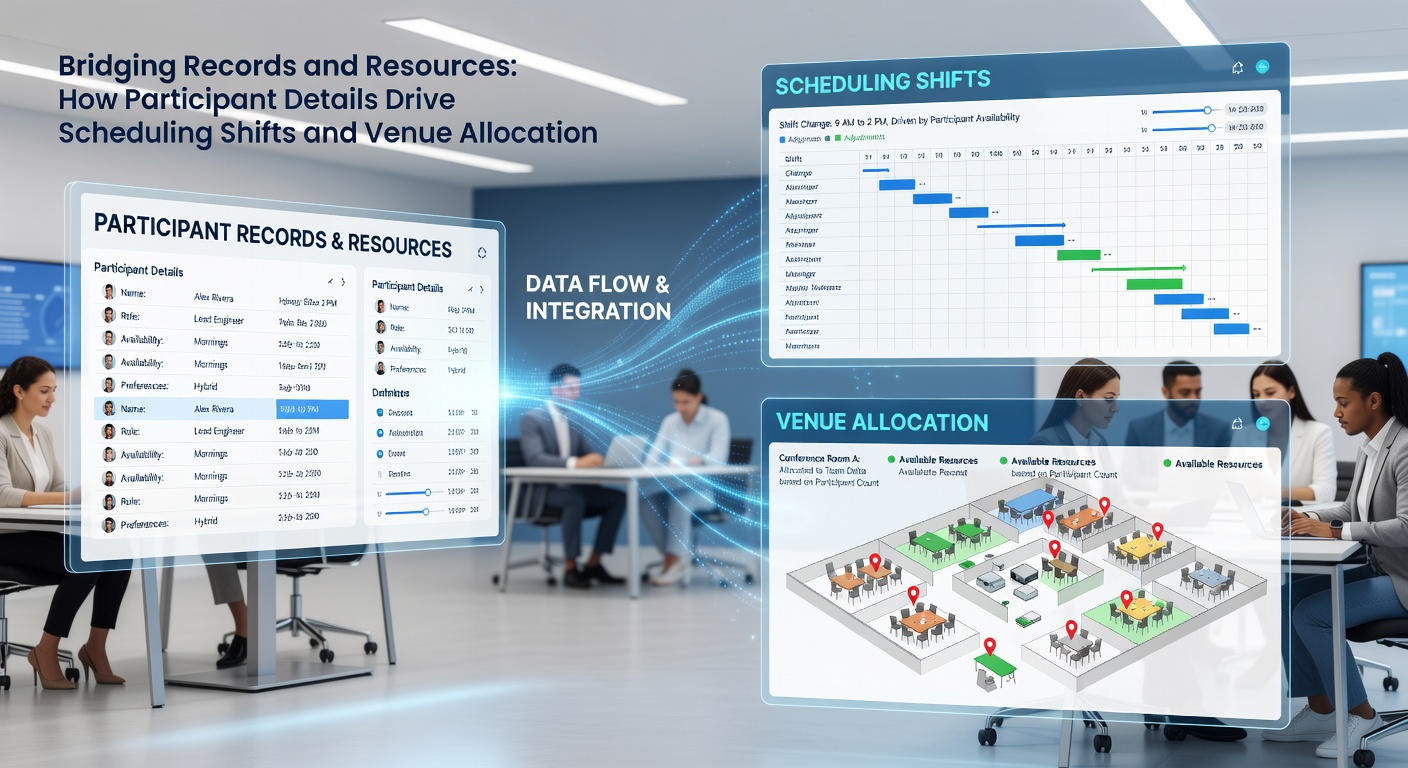
Facility managers allocate spaces according to aggregated profiles that include group size, required equipment, and historical usage patterns stored in the same records system. Larger rosters with higher skill ratings may receive priority for premium surfaces while developmental groups are directed toward practice areas that match their documented needs.
Figures from the Australian Institute of Sport's facility management reports reveal that leagues sharing data across organizations achieve higher occupancy rates because allocation algorithms factor in participant travel distances and preferred surfaces when assigning dates. This integration prevents underused slots that arise when details remain siloed between separate league administrators.
Integration Across Overlapping Leagues
Multi-league networks often operate under shared governance agreements that mandate common data standards so participant information flows seamlessly between organizations. When one league updates a roster the connected systems reflect those changes immediately, prompting reviews of upcoming fixtures that might otherwise conflict with newly reported constraints.
Coordinators working with these integrated platforms describe the process as a continuous loop where registration feeds scheduling, scheduling informs venue requests, and venue outcomes update performance logs that later influence future allocations. The loop closes when season-end evaluations feed back into eligibility calculations for the next cycle.
Conclusion
Participant details therefore function as dynamic drivers rather than background information in networks where venues and calendars remain finite. As more leagues adopt centralized record systems the precision of scheduling shifts and venue assignments continues to improve, supported by the same underlying data that tracks every athlete from initial registration onward.