Athlete Information Flows Determining Facility Usage Patterns in League Based Activities
Devon Schwarz · Aug 5, 2026
Athlete Information Flows Determining Facility Usage Patterns in League Based Activities
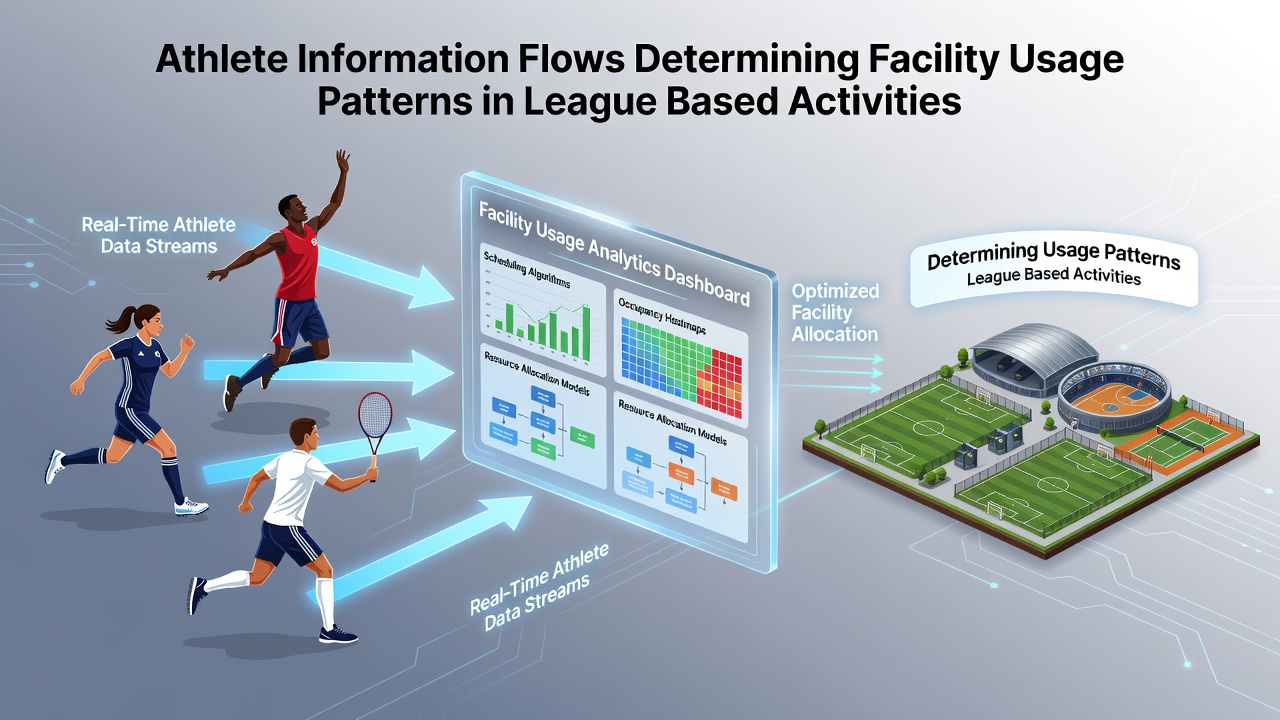
League operators collect athlete details through digital portals that capture registration dates, availability windows, skill levels, and preferred playing times, then route those inputs into centralized databases where algorithms match demand against available courts, fields, and pools. This process creates measurable patterns because each new entry updates occupancy forecasts and triggers automatic adjustments to booking blocks across multiple venues. In August 2026 many regional associations began feeding live roster changes directly into facility management software, shortening the lag between participant sign-ups and actual court assignments from days to hours.
Registration Data as the Starting Point
When athletes submit profiles that list contact information, team affiliations, and medical clearances, organizers gain the raw material needed to project weekly attendance at shared sites, and these projections determine which facilities receive priority for prime evening hours while others shift to maintenance windows. Systems cross-reference historical attendance figures with current enrollments to flag over-subscribed locations, prompting managers to open overflow sites or stagger start times. Observers note that leagues using integrated platforms report fewer idle hours because the same data sets that build standings also drive real-time availability calendars.
Performance Metrics and Schedule Adjustments
Match results and individual statistics flow back into the same information networks, allowing coordinators to rebalance future fixtures so that high-attendance divisions receive additional slots at larger arenas. One study released by the Canadian Centre for Ethics in Sport documented how win-loss records correlated with increased requests for upgraded facilities, leading operators to reserve premium surfaces for playoffs weeks in advance. Because these updates occur continuously, facility calendars evolve throughout a season rather than remaining fixed after initial publication.
Communication Networks and Venue Coordination
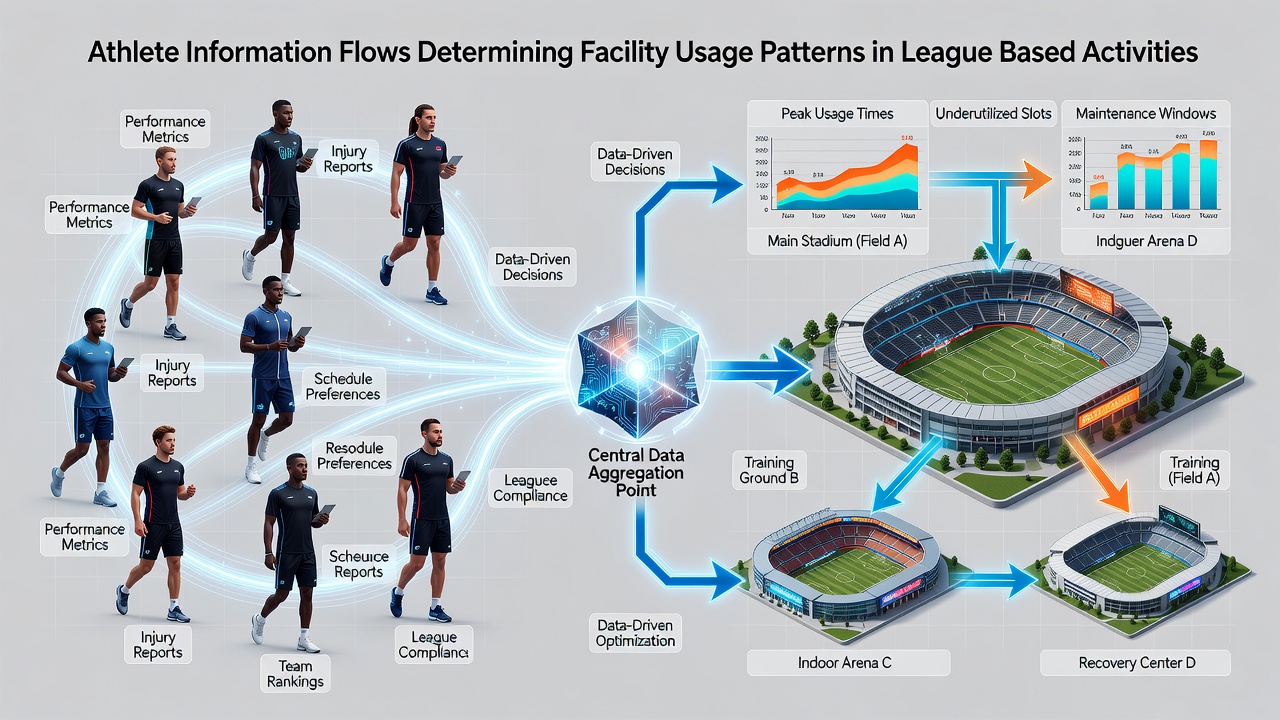
Coaches and team captains exchange roster updates through group messaging tools that feed directly into league dashboards, and those dashboards alert facility staff when expected headcounts rise or fall. Such exchanges reduce last-minute cancellations because venues receive advance notice of partial forfeits and can reassign the freed time to waiting teams. Researchers at the University of Queensland tracked three amateur basketball circuits over two years and found that leagues sharing participant contact lists across organizations achieved higher overall utilization rates at multi-purpose centers than isolated groups operating separate spreadsheets.
Resource Allocation Across Overlapping Leagues
Multiple organizations often share the same indoor complexes, so athlete information must travel between separate governing bodies to prevent double bookings. Data-sharing agreements allow each league to see anonymized demand curves for particular age groups or skill brackets, enabling joint decisions on which nights to extend lighting or open additional parking. Figures from the European Observatoire of Sport and Physical Activity show that facilities participating in such networks experienced steadier revenue streams because empty slots dropped when participant lists were synchronized across neighboring municipalities.
Payment confirmations and waiver submissions add another layer because unpaid registrations automatically drop from the active pool, freeing space that organizers then offer to waitlisted athletes. This automatic pruning keeps calendars accurate and prevents facilities from holding rooms for no-shows. In practice, leagues that integrate financial data with scheduling tools report fewer disputes over access because every confirmed player appears on the official occupancy list before doors open.
Seasonal Patterns and Long-Term Planning
Over multiple seasons the accumulated information reveals recurring peaks tied to school calendars, weather shifts, and major holidays, giving facility managers concrete data for capital requests such as new lighting or additional locker rooms. August 2026 saw several North American associations publish utilization heat maps derived entirely from athlete registration timestamps, and those maps guided decisions to expand outdoor lighting at parks that consistently showed late-summer evening demand. Because the underlying datasets grow each year, planners can forecast needs two or three seasons ahead instead of reacting month by month.
Conclusion
Athlete information flows now serve as the primary mechanism that translates individual participation choices into collective facility usage across league-based activities. Registration records, performance updates, and communication threads combine to shape booking patterns, occupancy forecasts, and long-range venue investments. Organizations that maintain clear channels for these data streams consistently achieve tighter alignment between supply and demand at shared athletic sites, while those relying on disconnected spreadsheets continue to face mismatches that leave courts empty or teams without space.